
Introduction
Warangal District, nestled in the heart of Telangana, is a region steeped in history, culture, and natural beauty. Warangal city serves as the district headquarters and lies approximately 157 kilometers northeast of Hyderabad, the state capital. Known for its serene lakes, majestic temples, and rich biodiversity, Warangal has long been a beacon of heritage and tradition. Historically, it was the capital of the illustrious Kakatiya Dynasty, which left behind a legacy of architectural marvels and cultural richness that continues to captivate visitors and scholars alike.
History of Warangal District
Warangal Historical Significance is deeply rooted in its role as the capital of the Kakatiya Dynasty, which ruled the Telugu-speaking regions from the 12th to the 14th century CE. The dynasty was founded by Beta Raja I and reached its zenith under rulers like Ganapathi Deva, Rani Rudrama Devi, and Prataparudra. These monarchs were known for their administrative acumen, military prowess, and patronage of arts and literature.
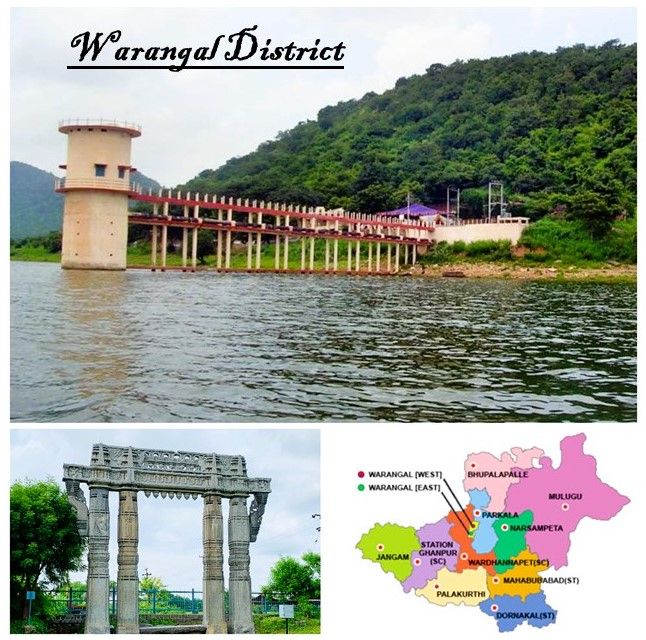
The Kakatiyas transformed Warangal into a fortified city adorned with temples, lakes, and gateways. The Warangal Fort, built in the 13th century, stands as a testament to their architectural brilliance. It features massive stone gateways known as the Kakatiya Kala Thoranam, which have become symbolic of Telangana’s cultural identity. The Thousand Pillar Temple, dedicated to Lord Shiva, Vishnu, and Surya, showcases intricate carvings and remains a prime example of Kakatiya artistry.
Following the fall of the Kakatiyas to the Delhi Sultanate in 1323 CE, Warangal underwent several transitions under different rulers, including the Musunuri Nayaks and later the Qutb Shahis. Despite these changes, the city retained its cultural essence and continued to flourish as a center of learning and spirituality.
Geography of Warangal District
Warangal District spans a diverse landscape that includes plains, hills, forests, and water bodies. The region is part of the Deccan Plateau and features red and black soils that support agriculture. The district is drained by rivers like the Godavari and its tributaries, which contribute to its fertile lands.
The climate of Warangal is typically tropical, with hot summers, moderate monsoons, and mild winters. The average annual rainfall is around 900 mm, primarily received during the monsoon months from June to September. The district is also home to several lakes and tanks, such as the Ramappa Lake and Laknavaram Lake, which not only support irrigation but also serve as popular tourist spots.
Warangal’s forests are rich in biodiversity, housing species like deer, wild boar, peacocks, and various medicinal plants. These natural reserves play a crucial role in maintaining ecological balance and offer opportunities for eco-tourism.
Education of Warangal District
Warangal has emerged as a prominent educational hub in Telangana. The district boasts a range of institutions offering quality education in various fields. The Kakatiya University, established in 1976, is a major center for higher education and research. It offers undergraduate, postgraduate, and doctoral programs across disciplines such as arts, science, commerce, and engineering.
The National Institute of Technology (NIT) Warangal is one of India’s premier engineering institutions and attracts students from across the country. Other notable institutions include the University Arts and Science College, Government Medical College, and various private colleges and schools that contribute to the district’s academic landscape.
Warangal’s inclusion in UNESCO’s Global Network of Learning Cities highlights its commitment to lifelong learning and educational development.
Economy of Warangal District
The economy of Warangal District is primarily agrarian, with agriculture being the main occupation for a majority of the population. Crops like rice, cotton, maize, and chili are cultivated extensively. The presence of irrigation facilities, including tanks and canals, supports agricultural productivity.
In recent years, Warangal has witnessed growth in industrial and service sectors. The district is part of the Telangana State Industrial Infrastructure Corporation (TSIIC), which promotes industrial development through dedicated industrial parks and clusters. Textile manufacturing, food processing, and agro-based industries are prominent in the region.
Warangal’s selection under the Smart Cities Mission has led to infrastructural improvements, boosting urban development and attracting investments. The city’s connectivity via National Highway 163 and railway junctions like Kazipet and Warangal enhances trade and mobility.
Tourism in Warangal District
Tourism is a vital component of Warangal’s economy and cultural identity. The district is a treasure trove of historical and natural attractions that draw visitors from across the globe.
- Warangal Fort: A marvel of medieval architecture, the fort features massive stone gateways and remnants of ancient fortifications.
- Thousand Pillar Temple: Built during the Kakatiya era, this temple is renowned for its exquisite carvings and spiritual ambiance.
- Ramappa Temple: Located near Ramappa Lake, this UNESCO World Heritage Site is celebrated for its intricate sculptures and floating bricks used in construction.
- Bhadrakali Temple: Situated on the banks of Bhadrakali Lake, this temple is dedicated to Goddess Bhadrakali and is a significant pilgrimage site.
- Laknavaram Lake: Surrounded by lush forests and hills, this lake is ideal for boating, picnics, and nature walks.
- Pakhal Lake and Wildlife Sanctuary: A haven for nature lovers, this sanctuary offers sightings of diverse flora and fauna.
Warangal Vibrant Festivals, traditional crafts, and culinary delights further enrich the tourist experience. The district blend of history, spirituality, and natural beauty makes it a must-visit destination in Telangana.
Warangal District stands as a shining example of Telangana Rich Heritage and dynamic progress. From its glorious past under the Kakatiya Dynasty to its modern strides in education and infrastructure, Warangal continues to inspire and evolve. Whether you're a history buff, nature enthusiast, or cultural explorer, Warangal offers a journey that is both enlightening and unforgettable.