
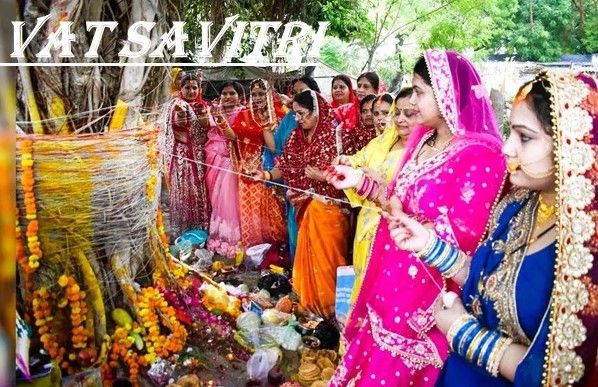
India’s cultural landscape is adorned with countless traditions, each carrying profound meaning and symbolism. Among them, Vat Savitri stands out as a solemn observance rooted in unwavering faith, marital devotion, and the sanctity of love. Unlike festivals marked by music and revelry, Vat Savitri is deeply spiritual, centered on the worship of the banyan tree (Vat) and the legendary tale of Savitri, whose courage and loyalty defied even death. Celebrated on The Full Moon Day (Purnima) of the Jyeshta month (May–June), this tradition continues to inspire generations.
The Legend of Savitri
The origins of Vat Savitri are found in the Puranas, where Savitri is revered as a woman of wisdom and devotion. Despite knowing that her chosen husband, Satyavaan, was destined to die within a year, she married him. On the fateful day, Satyavaan collapsed beneath a banyan tree, and Yama, the God of Death, arrived to claim his soul.
Unyielding in her love, Savitri followed Yama, engaging him with persistence and intelligence. Impressed by her devotion, Yama granted her three boons. With foresight, she asked for blessings that restored her family’s honor and ultimately secured her husband’s life. Her triumph made her a symbol of resilience, marital fidelity, and courage, immortalizing her as an icon of feminine strength.
Rituals of Vat Savitri
The observance is marked by fasting, prayers, and symbolic acts performed by married women to ensure the long life of their husbands. Key rituals include:
- Morning Bath: Women begin with a purifying bath, symbolizing spiritual cleansing.
- Banyan Tree Worship: Offerings of flowers, incense, rice, and prayers are made to the banyan tree. Women circumambulate the tree and tie sacred threads around its trunk.
- Drawing Rituals: At home, a banyan tree is drawn using turmeric and sandalwood paste, and prayers are offered near it.
- Consumption of Roots: Eating banyan tree roots with water symbolizes divine blessings, as Brahma, Vishnu, Shiva, and Savitri are believed to reside in different parts of the tree.
- Community Blessings: Women exchange sindoor and kumkum, blessing each other for long conjugal lives.
- Offerings to Brahmins: Clothes, fruits, and sacred items are offered in copper vessels to Brahmins, completing the vow.
Cultural Significance
Vat Savitri is widely observed in states such as Maharashtra, Bihar, Uttar Pradesh, Delhi, and Odisha. The banyan tree, with its vast roots and longevity, symbolizes eternal life, making it a fitting centerpiece for prayers seeking the well-being of husbands and families.
This tradition is not merely ritualistic; it is a reaffirmation of marital bonds and feminine strength. It highlights values of loyalty, resilience, and devotion, reminding society that love and determination can overcome even the greatest challenges. Savitri’s victory over death continues to inspire generations, reinforcing the sanctity of marriage and the power of unwavering faith.
Conclusion
Vat Savitri is more than a ritual it is a cultural tradition that embodies the strength of love and the sanctity of marriage. Through fasting, worship, and community blessings, Women Honor Savitri Spirit, reinforcing values of faith, loyalty, and resilience. This timeless observance stands as a testament to devotion that transcends mortality, ensuring its place in India’s cultural memory for centuries to come.