
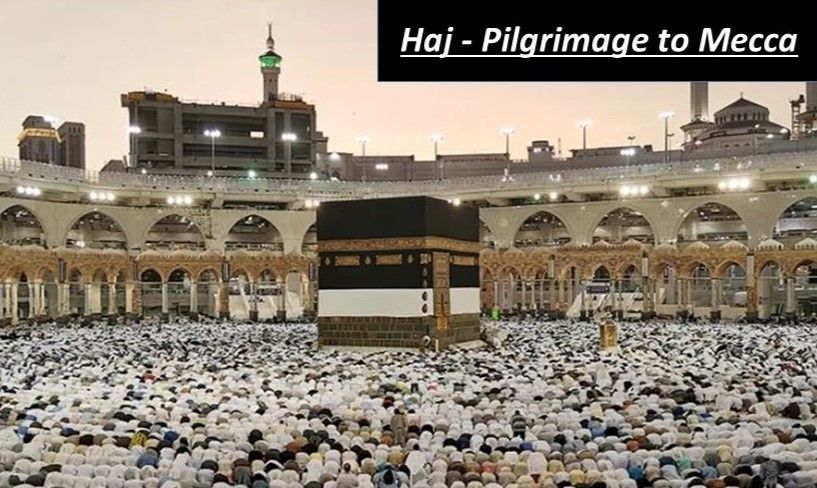
The Haj, or pilgrimage to Mecca, stands as one of the most profound acts of devotion in Islam. Established as the fifth pillar of the faith, it is a compulsory duty for Muslims who possess the financial means and physical ability to undertake it. Every Muslim is required to perform Haj at least once in their lifetime, though many choose to repeat the journey, seeking deeper spiritual fulfillment. More than a ritual, Haj is a test of patience, sacrifice, and unity, reminding believers of their shared submission to Allah.
Significance of Haj
The Haj is regarded as an ibadah, an act of worship where wealth and physical strength are dedicated to Allah’s pleasure. It symbolizes detachment from worldly desires and complete submission to the Almighty. Beyond its spiritual essence, Haj serves as a global gathering point, uniting millions of Muslims from diverse cultures and nations. This convergence reinforces The Bonds of Muslim Brotherhood, highlighting equality and solidarity among believers.
Pilgrims of Haj
Each year, nearly three million pilgrims travel to Mecca during the month of Dhu al-Hijjah. Pilgrims often journey in groups with family, friends, or fellow worshippers from their local mosques, sharing costs and companionship. Traditionally, women traveled with a male relative, but recent regulations by the Saudi government permit women to travel in groups with written consent from a guardian. This balance between tradition and modern facilitation reflects the evolving nature of the pilgrimage while maintaining its sanctity.
The Five Days of Haj
- Day One – Ihram Pilgrims don the Ihram, a simple white garment symbolizing purity and equality before Allah. Men wear two unstitched cloths, while women wear modest dresses with head coverings. The Talbiyah invocation is recited, marking entry into a spiritual state. Pilgrims then proceed to Mina.
- Day Two – Arafat Pilgrims gather at the plains of Arafat, reflecting on the Day of Judgment. This stay, known as Wuquf, is the spiritual climax of Haj. At night, pilgrims collect stones at Muzdalifah to prepare for the stoning ritual.
- Day Three – Eid-ul-Adha Pilgrims return to Mina, where they perform the symbolic stoning of the Jamarat pillars, representing rejection of Satan. An animal sacrifice follows, commemorating Prophet Ibrahim’s devotion. Pilgrims then shave their heads or trim hair, Symbolizing Rebirth and Purification. Tawaf al-Ifadah, the circumambulation of the Kaaba, is performed in Mecca.
- Day Four – Stoning Rituals Pilgrims continue stoning all three pillars at Mina, reaffirming their spiritual commitment.
- Day Five and Six – Completion The stoning ritual is repeated, and pilgrims may remain until the sixth day if unable to leave Mina earlier.
Spiritual Lessons of Haj
Haj is a compact form of worship that integrates physical endurance, financial sacrifice, and spiritual devotion. It teaches humility, patience, and the importance of aligning one’s thoughts, words, and deeds with the service of Allah. Only those who perform Haj with sincerity and true spirit experience its transformative benefits.
Ultimately, the pilgrimage is not merely a ritual but a profound journey of the soul. It reminds Muslims of their ultimate accountability before Allah and reinforces the values of unity, equality, and devotion.