
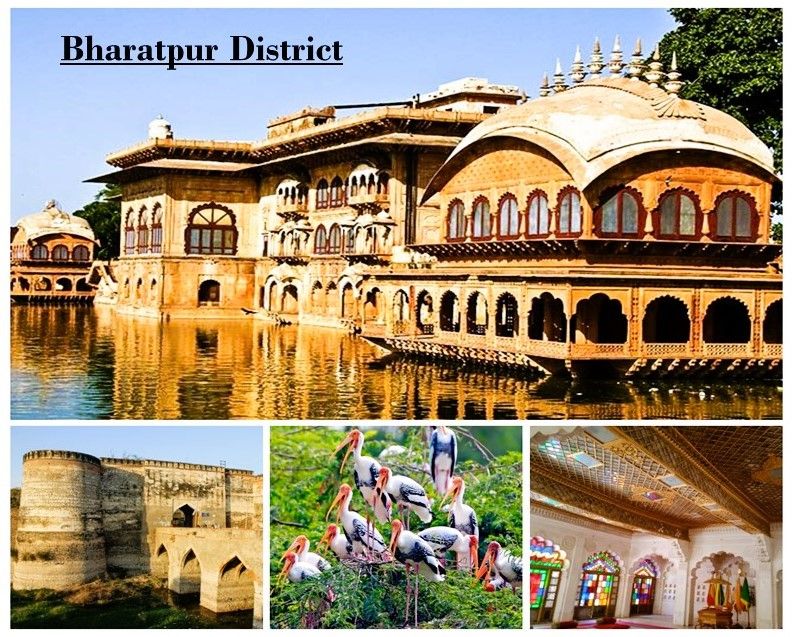
Nestled in the eastern corridor of Rajasthan, Bharatpur district stands as a vibrant confluence of history, ecology, and tradition. Known as the “Eastern Gateway of Rajasthan,”Bharatpur is a compelling stop for travelers exploring India’s famed Golden Triangle. From ancient forts and palaces to world-renowned bird sanctuaries, the district offers a rich tapestry of experiences that captivate every kind of visitor.
Strategic Location and Accessibility
Bharatpur’s location is both strategic and scenic. Positioned between 26°22′ to 27°83′ North Latitude and 76°53′ to 78°17′ East Longitude, it serves as a vital link between Rajasthan and Uttar Pradesh. The district shares borders with Alwar and Dausa to the west, Mathura and Agra to the east, and Karauli and Dholpur to the south. Bharatpur city, the district headquarters, is ideally situated just 180 km from Delhi, 178 km from Jaipur, and 55 km from Agra making it a convenient waypoint for tourists traversing the Golden Triangle.
Historical Significance
Bharatpur’s roots stretch deep into antiquity. The region was once part of the Matsya kingdom in the 5th century BC and later came under the rule of the Sinsinwar clan, believed to be of Indo-Scythian origin. The modern city was founded in 1733 AD by Maharaja Suraj Mal, a visionary Jat ruler celebrated for his military prowess and administrative reforms. He fortified the city against Mughal and Maratha invasions, laying the groundwork for a resilient kingdom. The district’s name honors Bharat, the brother of Lord Rama, while Laxman is revered as the royal deity, with his name etched on state emblems and seals.
Geography and Administration
Covering an area of 5,066 square kilometers, Bharatpur is divided into 9 sub-divisions and 10 tehsils, encompassing over 1,500 inhabited villages. The landscape ranges from flat plains in Nadbai and Bharatpur tehsils to hilly terrains in Bayana and Rupbas, supporting a diverse mix of agricultural and ecological systems.
Rivers and Water Resources
Seasonal rivers are the lifeblood of Bharatpur’s agriculture and ecology:
- Ban Ganga River: Originates from Ramgarh Dam in Jaipur and merges with Gambhir in Bayana.
- Gambhir River: Begins at Panchna Dam in Karauli and joins the Yamuna in Uttar Pradesh.
- Rooparel River: Flows from Alwar into Bharatpur via Kaman tehsil.
- Kakund River: Feeds the Bandh Baretha Dam, a crucial source of drinking and irrigation water.
These rivers play a pivotal role in sustaining the district’s agrarian economy and ecological balance.
Cultural Heritage
Bharatpur is steeped in the cultural traditions of the Braj region, closely associated with the life and legends of Lord Krishna. The annual Braj Festival, held just before Holi, is a spectacular celebration featuring Raslila performances, folk music, and traditional dances. The district’s cultural identity is shaped by Jat customs, religious rituals, and vibrant folk arts, making it a living museum of Rajasthani heritage.
Economic Profile
Agriculture remains the cornerstone of Bharatpur’s economy, bolstered by river-fed irrigation systems. The district also hosts a growing industrial sector across five zones:
- Old Industrial Area
- Brij Industrial Area
- Industrial Area Bayana
- Industrial Area Deeg
- Industrial Area Jurhera
These zones support small and medium enterprises in manufacturing, agro-processing, and handicrafts, contributing to regional development.
Demographics and Language
Bharatpur’s population is a blend of rural and urban communities, predominantly comprising Jats, Gujjars, and other Rajasthani groups. Hindi and Braj Bhasha are the primary languages spoken. The people are known for their warmth, resilience, and deep-rooted cultural values, which are reflected in their daily lives and social interactions.
Tourism: Nature and Heritage
Bharatpur offers a multifaceted tourism experience:
Nature Tourism
- Keoladeo Ghana National Park: A UNESCO World Heritage Site, this 29 sq. km man-made wetland is home to over 370 bird species, including migratory cranes, geese, and flycatchers. It’s a haven for birdwatchers and nature enthusiasts.
Leisure and Heritage Tourism
- Bharatpur Palace and Museum: A stunning blend of Mughal and Rajput architecture, housing the Kamra Khas Museum with over 1,400 artifacts.
- Ganga Mandir: Built through public donations, this temple features exquisite pink stonework and intricate carvings, dedicated to Laxman.
Historical Monuments
- Lohagarh Fort: Known for its formidable defenses, it withstood multiple British sieges.
- Jawahar Burj and Fateh Burj: Towers commemorating Maharaja Suraj Mal’s victories.
- Deeg Palace: A luxurious summer retreat with ornamental gardens and fountains, showcasing the opulence of Jat rulers.
Nearby Attractions
Bharatpur’s location enhances its appeal with proximity to:
- Mathura and Vrindavan: Sacred towns linked to Lord Krishna.
- Agra: Home to the iconic Taj Mahal.
- Alwar and Dholpur: Known for forts and wildlife sanctuaries.
Accommodation Options
Visitors can choose from a range of lodging options:
- Hotel Surya Vilas Palace
- The Bagh Resort
- Forest Lodge (inside Keoladeo Park)
These cater to various preferences, from budget-friendly stays to heritage luxury experiences.
Conclusion
Bharatpur is a treasure trove of history, nature, and culture. Whether you're a history buff, a nature lover, or a spiritual seeker, the district offers a rich and immersive experience. Its seamless Blend of Ancient Legacies, ecological wonders, and vibrant traditions makes Bharatpur a standout destination in Rajasthan’s eastern frontier.