
Introduction
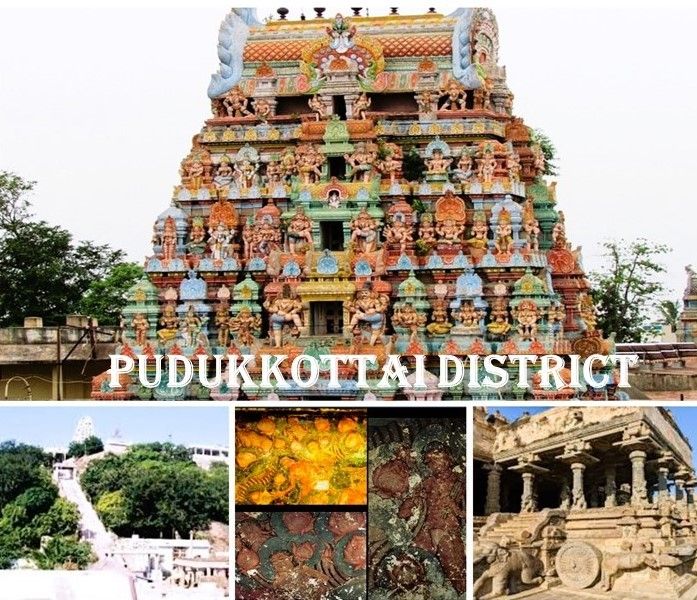
Tourism in Pudukkottai district of Tamil Nadu offers a fascinating blend of history, culture, art, and spirituality. The region is dotted with ancient temples, forts, museums, and Jain monuments, making it a treasure trove for travelers interested in heritage tourism. With its unique architecture, inscriptions, and natural surroundings, Pudukkottai Provides an Enriching Experience for pilgrims, historians, and tourists alike.
Sri Kokarneswar Temple
One of the most prominent attractions is the Sri Kokarneswar Temple, dating back to the Pallava period. Built as a rock-cut cave temple by Mahendravarma Pallava, it houses Kokarneswarar and his consort Brahadambal as the presiding deities. The temple also features artistic idols of Ganesa, Gangadhara, and Saptha Kannikas. A notable highlight is the image of saint Sadasiva Brahmendra under a Bikula tree. Historically, the Raja of Pudukkottai revered Brahadambal and even issued coins called Amman Kasu in her honor.
Government Museum
Located at Thirukkokarnam, the Government Museum is another major tourist spot. It showcases collections in geology, zoology, anthropology, epigraphy, and history. The museum’s sculptures and bronzes from different periods are particularly captivating. Open from 9 a.m. to 5 p.m. (except Fridays), it provides free entry, making it accessible to all visitors.
Sittannavasal
Situated 16 km from Pudukkottai, Sittannavasalis an ancient Jain site dating back to the 2nd century B.C. The rock-cut cave temple here is famous for its vibrant paintings in natural colors, reminiscent of Ajanta art. Depictions of flowers, animals, and Jain themes adorn the ceilings and walls. The Eladipattam stone beds and cave shelters used by Jain monks add to its historical significance.
Kudumiyanmalai
About 20 km from Pudukkottai lies Kudumiyanmalai, home to the Sikharagireeswarar Temple. This temple is renowned for its exquisite sculptures and a 1000-pillared hall. Inscriptions here include a musical treatise by Mahendravarma Pallava on the seven notes (Saptha Swara). Another rock-cut temple, Melakkoil, also stands nearby.
Kodumbalur
Known as Moovar Koil, Kodumbalur is 36 km away. Of the three temples built by Boodhi Vikrama Kesari, a Chola general, two remain today. The site witnessed fierce battles between the Pandyas and Pallavas. Its sculptures, including Kalarimurthi, Gaja Samharamurthi, and Gangadaramurthi, are masterpieces of South Indian temple art.
Viralimalai Temple
The Viralimalai Temple, dedicated to Lord Muruga, sits atop a hillock. Built in the 15th century, it features the deity seated on a peacock mount with his consorts Valli and Deivayanai. The temple is also famous for its peacock sanctuary, located 40 km from Pudukkottai.
Narthamalai
At 17 km from Pudukkottai, Narthamalai is rich in Jain monasteries and rare medicinal plants. It was once the capital of the Mutharaiyar chieftains. Attractions include the earliest circular stone temple built by the Mutharaiyars, the Vijayalaya Choleswaram cave temple, and the Kadambar Malai temple.
Thirumayam
Located 19 km away, Thirumayam is known for its fort and temples. The fort, built in 1687 by Vijaya Ragunatha Sethupathi, spans 40 acres. The Vishnu temple here houses India’s largest Anantasayi (reclining Vishnu) in a natural cave shrine. The Siva temple features inscriptions on music, adding to its cultural value.
Avudayar Koil
Situated 40 km from Pudukkottai, Avudayar Koil(Thiruperunthurai) is unique among Saivaite shrines. Dedicated to Atmanathar, it symbolizes the supreme truth, with no Lingam or goddess representation. Built by saint Manickavasagar, the temple is renowned for its granite roof work, including rafters, ropes, and nails carved from stone.
Conclusion
Tourism in Pudukkottai offers a journey through centuries of history, art, and devotion. From Pallava cave temples and Chola inscriptions to Jain monasteries and unique Saivaite shrines, the district is a living museum of South Indian heritage. For travelers seeking cultural depth and spiritual enrichment, Pudukkottai remains a captivating destination.