
Introduction
The Jaintia tribe, one of the prominent indigenous communities of Meghalaya in Northeast India, is renowned for its rich cultural heritage and artistic traditions. Their culture is a fascinating blend of age-old customs, music, dance, craftsmanship, and folklore. Deeply rooted in The Hills of Meghalaya, the Jaintias have preserved their identity through their vibrant practices, making them an integral part of the state’s tourism and cultural landscape.
Traditional Lifestyle and Social Practices
The Jaintia tribe follows a matrilineal system, where lineage and inheritance are traced through the mother. Women play a central role in family and community life, ensuring the continuity of traditions. Their villages are organized around clan-based structures, and community festivals often serve as occasions for social bonding. Respect for nature and ancestral spirits is deeply ingrained in their belief system, reflected in rituals and ceremonies that honor both land and life.
Music and Dance
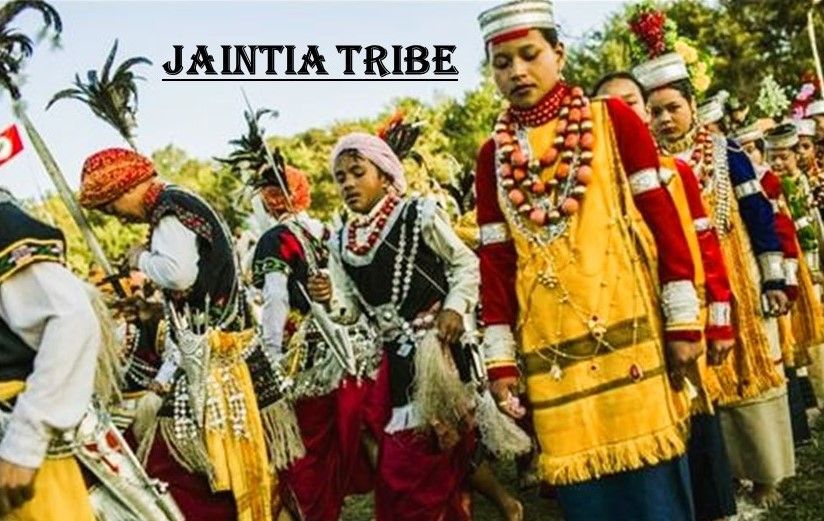
Music and dance are inseparable aspects of Jaintia culture. Traditional instruments such as drums, flutes, and bamboo pipes accompany their folk songs, which narrate tales of love, valor, and everyday life. The dances are often performed during festivals and agricultural celebrations, symbolizing joy, gratitude, and unity. The Laho dance, one of the most popular, is performed by men and women in colorful attire, holding hands and moving rhythmically to the beat of drums. These performances are not merely entertainment but expressions of collective identity and spirituality.
Art and Craftsmanship
The Jaintias are celebrated for their artistic skills, particularly in weaving, wood-carving, and bamboo craft. Their weaving techniques produce intricate patterns on textiles, often used in traditional attire. Bamboo and cane are skillfully transformed into baskets, mats, and household items, showcasing both utility and artistry. Wood-carving is another hallmark, with artisans creating decorative panels, furniture, and ritual objects.
A unique aspect of Jaintia craftsmanship is the use of pineapple fibre. This eco-friendly material is woven into textiles and accessories, reflecting their sustainable practices and creativity. Tribal jewellery, made of beads, silver, and natural elements, is worn during festivals and ceremonies, adding to the aesthetic richness of their culture.
Festivals and Rituals
Festivals are central to the Jaintia way of life. The Behdeinkhlam festival, celebrated annually, is one of the most significant. It is a religious and cultural event where people pray for protection against diseases and misfortunes. Wooden structures called “Rots” are decorated and carried in processions, accompanied by music and dance. The festival embodies the tribe’s spiritual beliefs and communal harmony.
Other celebrations mark agricultural cycles, harvests, and clan rituals, reinforcing the tribe’s connection with nature and their ancestors. These festivals attract tourists and researchers alike, offering a glimpse into the living traditions of the Jaintias.
Tourism and Cultural Significance
The cultural richness of the Jaintia tribe contributes significantly to Meghalaya’s tourism appeal. Visitors are drawn to their festivals, handicrafts, and scenic villages nestled in the hills. The tribe’s sustainable practices, such as bamboo and pineapple fibre crafts, resonate with modern eco-tourism trends. For travelers seeking authentic cultural experiences, the Jaintia hills provide a unique blend of heritage, hospitality, and natural beauty.
Conclusion
The culture of the Jaintia tribe is a vibrant mosaic of traditions, artistry, and spirituality. From their matrilineal society to their music, dance, and craftsmanship, every aspect reflects a deep connection with nature and community. Their festivals, rituals, and artistic expressions continue to thrive, making the Jaintias not only custodians of heritage but also ambassadors of Meghalaya’s cultural identity. Exploring their way of life offers valuable insights into the diversity and resilience of India Tribal Communities.