
Carnatic music, the classical tradition of South India, is deeply rooted in devotion and artistry. Among its many forms, the kritistands out as one of the most enduring and influential. Since the eighteenth century, kritis have formed the backbone of Carnatic concerts, celebrated for their devotional depth, intricate structure, and melodic richness. More than just compositions, they embody A Spiritual Journey that Seamlessly Blends Music, culture, and faith.
Origins of Kriti
The kriti evolved from the kirtana traditionof the 14th–16th centuries, when saint-musicians expressed devotion through song. A towering figure in this lineage is Purandara Dasa, revered as the Father of Carnatic Music. He systematized music education and composed in vernacular languages, making devotional music accessible to ordinary people.
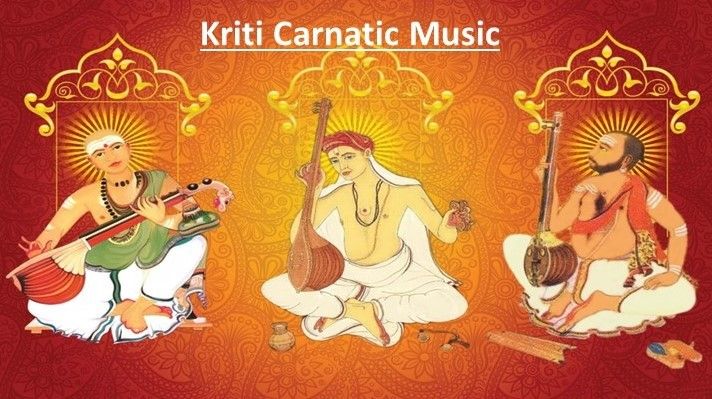
By the 18th and 19th centuries, the kriti reached its zenith through the works of the Trinity of Carnatic Music Tyagaraja, Syama Sastri, and Muttuswami Dikshitar. All three were born in Tiruvarur, Tamil Nadu, and their compositions continue to dominate the Carnatic repertoire, shaping the way kritis are sung and performed today.
Structure of Kriti
A typical kriti is composed of three main sections:
- Pallavi: The opening refrain, serving as the anchor.
- Anupallavi: The middle section, expanding the theme.
- Charanam: The concluding section, sometimes with multiple variations.
Some kritis combine the anupallavi and charanam into a samashti charanam. Performances often begin with an alapana, an improvisatory introduction that sets the mood of the raga.
Additional Musical Elements
The kriti is enriched by several features that balance composition and improvisation:
- Sangati: Variations on a theme, introduced by Tyagaraja.
- Citta Svara: Composed solfege passages inserted at the end of sections.
- Svara Sahitya: Textual versions of citta svara, pioneered by Syama Sastri.
- Kalpana Svara: Improvised solfege passages showcasing creativity.
- Niraval: Improvised melodic variations while retaining the original text and rhythm.
These elements make the kriti flexible, allowing performers to blend precision with spontaneity.
Language and Themes
Kritis are composed in Telugu, Sanskrit, and Tamil, reflecting South India’s linguistic diversity. While some texts are heroic or narrative, most are devotional, praising deities such as Rama, Krishna, or Goddess Devi. Thus, the kriti serves as both a musical masterpiece and a spiritual offering.
Great Composers of Kriti
- Tyagaraja (1759–1847): Devoted to Lord Rama, he composed around 700 kritis in Telugu. His works emphasize melody and sangati, making them accessible yet profound.
- Syama Sastri (1762–1827): A Brahmin scholar, he composed about 300 kritis in Sanskrit, Telugu, and Tamil. His works are rhythmically complex, demanding mastery of tala.
- Muttuswami Dikshitar (1776–1835): Influenced by Hindustani music, he composed in Sanskrit with slow, ornamented styles. His kritis are rich in mythological references and explore ragas thoroughly.
Together, these composers elevated the kriti into a refined art form that balances devotion, scholarship, and musicality.
Significance of Kriti
The kriti remains central to Carnatic concerts, performed in slow, medium, or fast tempos across diverse ragas and talas. Its adaptability has allowed it to flourish in instrumental performances, where the absence of text does not diminish its musical essence.
Conclusion
The kriti is not merely a song it is a spiritual journey, cultural treasure, and musical masterpiece. From its devotional origins to its intricate structures, it embodies The Essence of Carnatic Music. Through the works of Purandara Dasa and the Trinity, the kriti continues to inspire performers and audiences alike, ensuring its timeless place in South Indian classical tradition.