
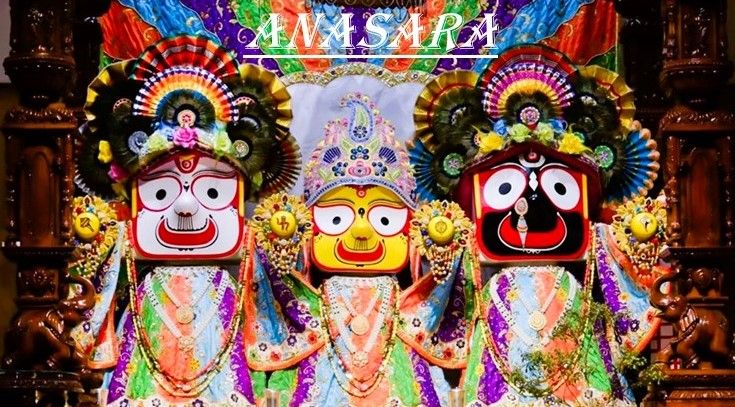
The Jagannath Temple of Puri, one of Hinduism’s most revered shrines, observes a unique ritual known as Anasara or Anavasara. This tradition marks the temporary withdrawal of Lord Jagannath, Lord Balabhadra, and Goddess Subhadra from public view. It symbolizes divine rest, renewal, and the deeply human qualities of the gods. Rooted in Odisha’s spiritual heritage, Anasara is a period of silence and anticipation that prepares both deities and devotees for the grand Rath Yatra.
Meaning of Anasara
Anasara begins on Jyestha Purnima and concludes on Ashadha Amavasya. Following The Grand Snana Yatra (Bathing Festival), the deities are believed to fall ill due to the ritual bathing. They are then placed in seclusion inside the temple, away from the gaze of devotees. This symbolic withdrawal emphasizes that even gods undergo illness and healing, reflecting the cyclical nature of life and the closeness of divinity to humanity.
Substitute Worship
During this period, devotees cannot have darshan of the idols. Instead, substitute images are worshipped in the form of patta paintings created by the temple’s Chitrakaras (traditional artists). Beginning on Jyestha Amavasya, artists receive cloth pieces from the temple to use as canvases. Under the chief artist’s guidance, they paint the forms of Shri Ananta Narayan, Shri Ananta Basudev, and Goddess Bhubaneswari, which serve as the divine presence until the idols are restored.
Rituals During Seclusion
The temple atmosphere undergoes a dramatic transformation during Anasara:
- Nata Mandap closure: The entrance to the dancing hall is shut.
- Restricted access: Only Daityas (servitors considered blood relatives of Lord Jagannath) and the Pati Mahapatra (a Shudra servitor) are allowed inside.
- Mahaprasad halt: Cooking of temple food ceases, and silence pervades the temple.
Offerings during this time are simple and tribal in nature. Fruits, milk, and raw items are brought by the Daityas, who taste them first to ensure ripeness before offering them. They also undertake the responsibility of repairing and repainting the idols, symbolizing rejuvenation.
The Role of Daityas
The Daityas play a central role in Anasara. Living inside the temple during this period, they eat and sleep near the deities. Their duties include:
- Idol repair using resin and paint.
- Preparing the first coat of paint with chalk and gum.
- Repainting the faces of the deities, leaving the eyes untouched until the final day.
On the twelfth day, they distribute pieces of old cloth from the deities among pilgrims and relatives. These sacred remnants strengthen the bond between the divine and devotees.
End of Anasara
On Ashadha Amavasya, the period of illness concludes. The gateway to the Nata Mandap is reopened, and devotees gather to witness the rejuvenated forms of the deities. This marks the beginning of preparations for the Rath Yatra, when the deities step out of the sanctum to bless the world.
Cultural Significance
Anasara is more than a ritual; it is a profound spiritual philosophy. By portraying the gods as beings who experience illness and healing, it bridges the gap between the divine and humanity. It also highlights the inclusive nature of Jagannath culture, where Brahmins, Shudras, and tribal Daityas all play vital roles in temple rituals.
In essence, Anasara is a sacred pause A time of silence, renewal, and anticipation. It prepares the temple, the deities, and the devotees for The Joyous Spectacle of the Rath Yatra, reinforcing the eternal bond between humanity and divinity.