
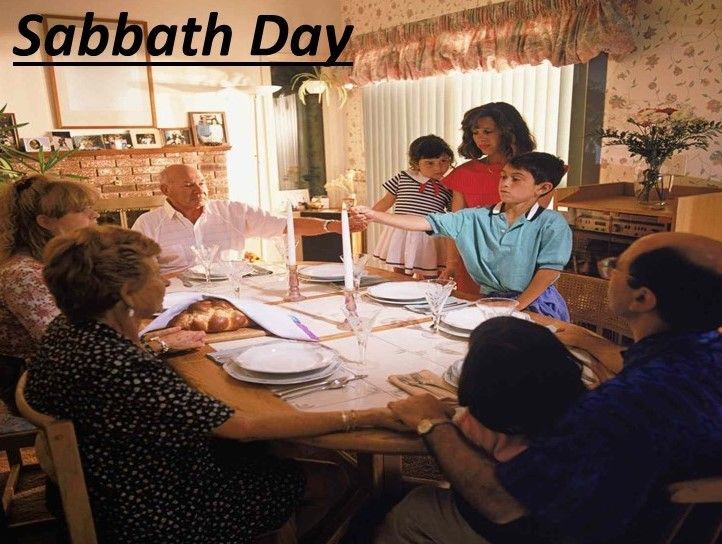
The Sabbath, or Shabbat in Hebrew, meaning “rest,” is one of the most profound and enduring traditions in Judaism. Observed weekly from Friday evening before sundown until Saturday nightfall, it is not merely a pause from work but a sacred period devoted to prayer, family, study, and spiritual renewal. Deeply rooted in Jewish history and culture, Shabbat continues to shape Jewish identity across generations.
Origins of the Sabbath
The Sabbath finds its origins in the Creation story in Genesis, where God rested on the seventh day after completing creation. What began as a symbolic act became a divine commandment at Mount Sinai with the giving of the Ten Commandments. This transformed Shabbat into a binding obligation, emphasizing both Physical Rest and Spiritual Enrichment.
Purpose and Meaning
Shabbat is far more than a break from labor. It is a day of spiritual elevation, encouraging Jews to detach from material concerns and focus on higher ideals. It is a time of joy, prayer, and celebration, designed to restore balance in life. By dedicating one day each week to reflection and renewal, Shabbat fosters a deeper connection with the divine and strengthens community bonds.
Rituals and Practices
- Candle Lighting: On Friday evening, Jewish women traditionally light two candles, symbolizing the dual commandments to “observe” and “remember” the Sabbath.
- Blessings: Families gather for blessings, beginning with the father’s blessing over the children, followed by the Kiddush (sanctification over wine) and ritual hand washing.
- Festive Meals: Three celebratory meals are shared — Friday night, Saturday noon, and late Saturday afternoon — often accompanied by songs and Torah discussions.
- Synagogue Services: Synagogues across denominations hold services. Orthodox Jews emphasize Saturday morning prayers, while Conservative and Reform Jews highlight Friday evening gatherings.
Restrictions and Observances
Traditional Jewish law prohibits certain activities on Shabbat, such as cooking, driving, or using electricity. These restrictions preserve the sanctity of the day and encourage complete rest. While levels of observance vary among Jewish communities, the essence remains the same disconnecting from worldly tasks to reconnect with faith, family, and community.
Conclusion of the Sabbath
Shabbat concludes with the Havdalah ceremony, marking the transition from sacred to ordinary time. This ritual includes blessings over wine, fragrant spices, and a braided candle with two wicks. As Shabbat ends, Jews greet one another with “Shavuah tov” or “Gute voch,” wishing for a good week ahead.
Cultural and Spiritual Significance
The Sabbath is more than tradition it is a cornerstone of Jewish identity. It strengthens family unity, Nurtures Community Bonds, and provides spiritual rejuvenation. In today’s fast-paced world, Shabbat serves as a timeless reminder of the importance of rest, reflection, and divine connection.
In essence, Shabbat is a weekly sanctuary in time, offering renewal for the soul and reaffirming the values that sustain Jewish life.