
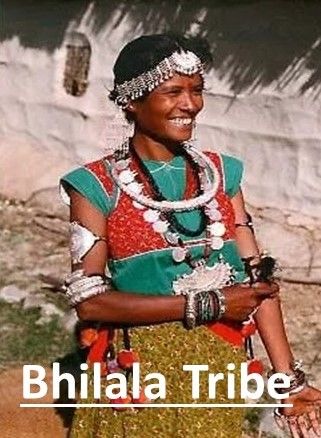
India’s tribal communities form a vibrant mosaic of traditions, languages, and customs that enrich the nation’s cultural identity. Among these, the Bhilala tribe holds a distinctive place for its fascinating blend of indigenous practices and Rajput influences. Predominantly located in the Nimar and Hoshangabad Districts of Madhya Pradesh, with smaller settlements in western India, the Bhilalas embody resilience, creativity, and a deep connection to their ancestral heritage.
Origins and Identity
The Bhilala tribe is regarded as a mixed caste community, believed to have emerged from alliances between immigrant Rajputs and the Bhils of central India’s hilly regions. This fusion created a group that retained tribal customs while adopting Rajput traditions. Many Bhilala families proudly claim Rajput lineage and maintain social distinctions by avoiding intermarriage with other Bhilala groups.
Their language, also called Bhilala, is a sub-group of the Bhil language and belongs to the Indo-Aryan family. This linguistic heritage connects them to broader cultural currents while preserving their tribal identity.
Social Structure and Occupation
The Bhilala community is primarily agrarian, with families engaged in farming, field labor, and village watch duties. They cultivate crops such as millet, maize, wheat, and barley, sustaining their livelihoods through agriculture. Villages are overseen by a headman known as the Mandoi, who plays a vital role in resolving disputes and maintaining order.
Inheritance follows a patrilineal system, with property passed down to male descendants. The tribe is divided into exogamous groups, many of which have totemistic origins linked to animals and plants, reflecting their spiritual bond with nature.
Festivals and Customs
One of the most celebrated traditions of the Bhilala tribe is the Bhagoria festival, a lively annual event filled with music, dance, and matchmaking. During the festival, young men select their brides, and the groom’s family pays a customary amount to the bride’s parents.
Tattooing is widespread among the Bhilalas, while their costumes renowned for bright colors and intricate embroideryshowcase their artistic flair. Dance, drama, and music remain integral to their cultural life, reinforcing communal bonds and spiritual beliefs.
Beliefs and Practices
Religious life among the Bhilalas is deeply rooted in Hindu worship, alongside reverence for family guardian deities. They hold strong beliefs in taboos, curses, and ancestral connections. Unlike many Hindu communities, the Bhilalas bury their dead, a practice that highlights their distinct cultural identity.
Their traditional weapon, the bow and arrow, symbolizes both their martial heritage and their skill in hunting and defense. It remains a cultural emblem of pride and resilience.
Artistic Heritage
The Bhilalas are celebrated for their Pithora paintings, a vibrant art form that narrates myths and legends tied to their origins. These symbolic wall paintings serve as visual records of tribal history and spirituality, ensuring that their heritage is preserved for future generations.
Conclusion
The Bhilala Tribe exemplifies the diversity and resilience of India’s tribal communities. Rooted in agrarian life, enriched by Rajput influences, and sustained by vibrant traditions, the Bhilalas continue to uphold their identity amidst modernization. Their festivals, art, and customs not only highlight their distinctiveness but also remind us of the rich cultural mosaicthat defines Indian society.