
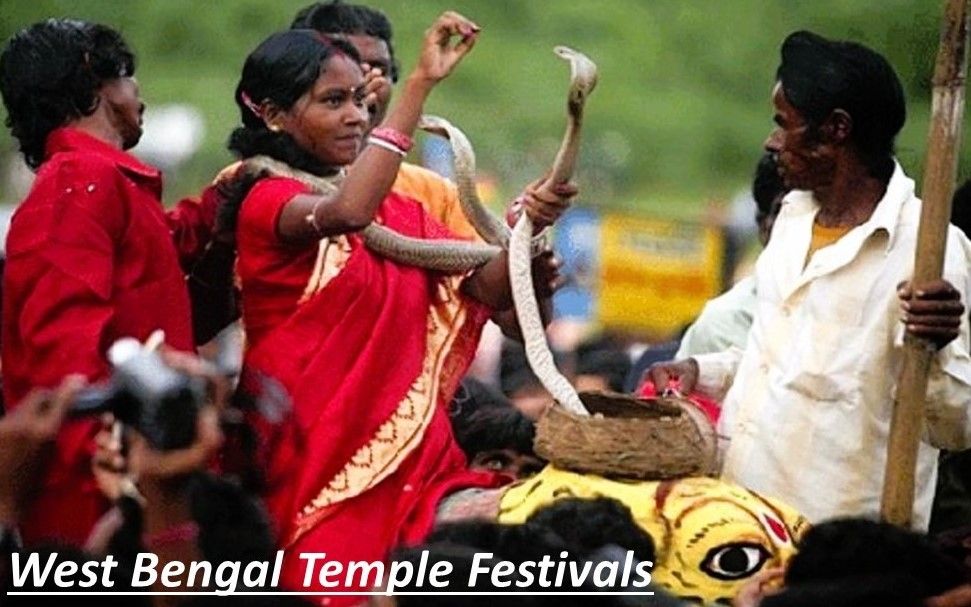
West Bengal, often celebrated as the cultural capital of India, is a land where spirituality and artistry merge seamlessly. Its temple festivals are not merely religious observances but vibrant cultural spectacles that embody the collective spirit of Bengali society. From the grandeur of Durga Puja to the mystical aura of Kali Puja, these celebrations weave together devotion, tradition, and community life, enriching Bengal’s cultural fabric with joy and reverence.
The Essence of Temple Festivals
Temple festivals in West Bengal are celebrated with immense enthusiasm, blending worship with cultural performances, fairs, and artistic displays. They serve as platforms for collective joy, reinforcing age-old traditions while embracing modern creativity. These occasions highlight Bengal’s Unique Ability to Preserve Heritage while adapting to contemporary expressions.
Major Temple Festivals
- Durga Puja: The most iconic festival, held in October, honors Goddess Durga. Temples and pandals host her ten-armed idol, worshipped for four days before immersion in the Ganga. It is both a spiritual and cultural extravaganza, marked by music, dance, and artistic decorations.
- Kali Puja: Coinciding with Diwali, this festival venerates Goddess Kali. The Kalighat Temple in Kolkata becomes a focal point, with fireworks and lamps illuminating the night to symbolize the triumph of light over darkness.
- Jagaddhatri Puja: Celebrated in November, especially in Chandannagar and Hooghly, it features gigantic idols, spectacular pandals, and dazzling illuminations.
- Lakshmi Puja: Dedicated to Goddess Lakshmi, the deity of wealth, this festival is observed after Durga Puja in temples and households alike.
- Shivaratri: Devotees fast and worship Lord Shiva, with Tarakeswar Temple drawing thousands of pilgrims. The rituals emphasize meditation and spiritual discipline.
Distinctive Temple Festivals
- Rathayatra Festival: Held in Hooghly during June–July, devotees pull the chariots of Lord Jagannath, Balaram, and Subhadra in a weeklong spectacle of devotion.
- Jhapan Festival: Celebrated in Bankura in honor of the serpent-deity Manasa, Vishnupur’s version is famous for live snake shows blending folk traditions with temple worship.
- Jalpesh Mela: A month-long fair during Shivaratri at Jalpaiguri, centered around the ancient Shiva temple of Lord Jalpeswara. It merges spirituality with commerce, attracting pilgrims and traders.
- Vishnupur Festival: Held annually in December, this festival showcases local handicrafts and classical music, turning the temple town into a hub of cultural exchange.
Cultural Significance
Temple festivals in West Bengal are more than religious rituals; they are cultural phenomena that:
- Strengthen community bonds through collective worship and participation.
- Preserve traditional art forms such as music, dance, and handicrafts.
- Boost local economies via fairs, trade, and tourism.
- Reflect spiritual diversity where devotion meets creativity.
Conclusion
The temple festivals of West Bengal are grand spectacles of devotion, artistry, and social unity. Whether it is the majestic Durga Puja, the luminous Kali Puja, or the unique Jhapan Festival, each celebration enriches Bengal Cultural Heritage. These festivals are not just rituals but living traditions that continue to bind society together with joy, reverence, and creativity.