
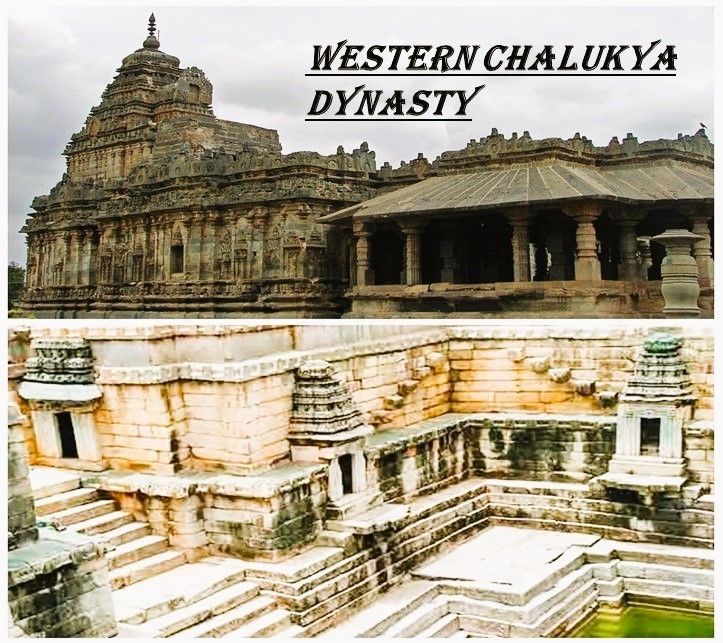
The Western Chalukya Dynasty, which rose to prominence in the tenth century after the decline of the Rashtrakutas, presided over a period of remarkable religious transformation in South India. This era was characterized not by conflict, but by a smooth evolution of spiritual practices, philosophical debates, and cultural expressions. The dynasty’s reign witnessed the decline of Buddhism, the waning influence of Jainism, and the rise of Hindu sects such as Virashaivism and Vaishnavism, each leaving a profound imprint on the region’s heritage.
Jainism and Its Decline
The Fall of the Rashtrakutas, who had been strong patrons of Jainism, marked a setback for the faith. Simultaneously, the Cholas’ conquest of the Western Ganga Dynasty in Gangavadi further weakened Jain influence. Although Jainism lost much of its earlier prominence, it continued to thrive in select centers such as Shravanabelagola and Kambadahalli, which remained important sites of worship and pilgrimage. The decline was gradual, reflecting a shift in popular interest rather than outright suppression, as inscriptions from the period reveal no evidence of religious strife.
Buddhism’s Waning Presence
Buddhism had already begun to fade in South India by the eighth century, largely due to the spread of Adi Shankara’s Advaita philosophy, which emphasized non-dualism. By the time of the Western Chalukyas, only isolated pockets of Buddhist worship survived, notably at Dambal and Balligavi. These remnants highlight how Buddhism, once a dominant force, had been overshadowed by Hindu philosophical schools and devotional movements.
The Rise of Virashaivism
One of the most significant developments during this period was the emergence of Virashaivism, also known as the Lingayat movement. Though its origins are debated, the movement gained momentum in the twelfth century under the leadership of Basavanna. His teachings, expressed through simple yet powerful Kannada poetry known as Vachanas, emphasized equality, rejected caste hierarchies, and promoted the idea that “work is worship” (Kayakave Kailasa). Virashaivism challenged established norms, advocating widow remarriage and greater social freedom for women, though priesthood remained restricted. This egalitarian spirit resonated widely, shaping both religious and social life.
Vaishnavism and Ramanujacharya’s Influence
Parallel to Virashaivism’s rise was the spread of Vaishnavism, particularly through the teachings of Ramanujacharya. As the head of the Vaishnava monastery at Srirangam, he championed the bhakti marga (path of devotion) and critiqued Shankara’s Advaita philosophy in his seminal work Sribhashya. His stay in Melkote proved pivotal, as Hoysala King Vishnuvardhana converted to Vaishnavism under his influence. This conversion led to the construction of grand temples, including the renowned Chennakesava Temple at Belur, which remains a testament to the dynasty’s architectural brilliance.
Cultural and Literary Flourishing
The religious currents of the Western Chalukya period deeply enriched South Indian culture. Virashaiva saints such as Akka Mahadevi, Allama Prabhu, and Chenna Basava composed hundreds of Vachanasin praise of Lord Shiva, blending spirituality with social critique. In the Hoysala court, scholars like Harihara and Raghavanka carried forward this literary tradition, while Vaishnavite works inspired by Ramanujacharya flourished in later kingdoms. The Vijayanagar Empire and the Mysore Kingdom continued these traditions, ensuring the enduring legacy of both Virashaiva and Vaishnava thought.
Conclusion
The Western Chalukya Dynasty presided over a dynamic religious landscape where Jainism and Buddhism receded, while Virashaivism and Vaishnavism rose to prominence. This evolution was marked by tolerance and creativity, with no evidence of violent conflict. Instead, philosophical debates, devotional movements, and literary expressions enriched The Spiritual and Cultural Fabric of South India. The temples, poetry, and philosophies born in this era continue to shape the region’s identity, making the Western Chalukya period a cornerstone in the history of Indian religion and heritage.