
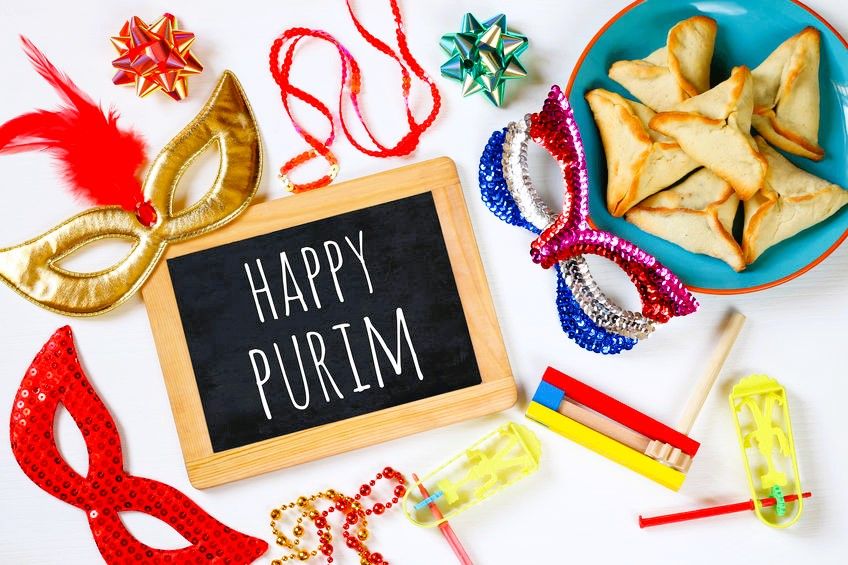
The Purim Festival is among the most spirited and meaningful celebrations in the Jewish calendar. Observed in the Hebrew month of Adar, it commemorates the miraculous deliverance of the Jewish people from Haman, The Royal Minister of King Ahasuerus, who plotted their destruction. Over centuries, Purim has grown beyond its historical roots into A Vibrant cultural and religious occasion filled with storytelling, charity, feasting, and merriment.
History of Purim
The origins of Purim are found in the Book of Esther, one of the most dramatic narratives in Jewish tradition. Haman, a powerful minister, cast lots (purimin Hebrew) to determine the date for the massacre of all Jews in the kingdom. His scheme was thwarted by Mordecai, a Jewish leader, and Esther, his adopted daughter who had become queen.
Esther courageously revealed her Jewish identity to King Ahasuerus and pleaded for her people’s safety. The king granted her request, allowing the Jews to defend themselves. On the day intended for their destruction, they triumphed over their enemies. Haman was executed, symbolizing the downfall of hatred and oppression. This dramatic reversal of fate is the essence of Purim, a festival celebrating survival, courage, and divine providence.
Celebration of Purim
Purim is celebrated annually on the 14th of Adar, beginning at sundown the previous evening. Customs emphasize joy, community, and remembrance:
- Reading of Esther: The Megillah (Book of Esther) is read aloud in synagogues. Each time Haman’s name is mentioned, congregants stamp their feet or children rattle noisemakers to symbolically erase his memory.
- Charity to the poor: Giving gifts to those in need reinforces compassion and solidarity.
- Food gifts: Known as mishloach manot, these are packages of food and drink exchanged among friends and family.
- Festival meal: A grand feast is held, often accompanied by wine, laughter, and storytelling. Traditional pastries such as hamantaschen (triangular cookies filled with poppy seeds, fruit, or dates) are enjoyed.
- Costumes and merriment: Masks and costumes symbolize the hidden miracles of the Purim story.
In some Jewish communities outside India, effigies of Haman are burned or beaten. Interestingly, in India, Purim coincides with The Colorful Festival of Holi, creating a unique cultural overlap.
Religious Significance
Though Purim is considered a “minor” holiday compared to Torah-ordained festivals, it holds deep spiritual meaning. A special prayer, Al ha-Nissim (“For the Miracles”), is added to daily prayers and grace after meals. The festival highlights four commandments:
- Listening to the Megillah
- Sending food gifts
- Giving charity
- Eating the festival meal
These practices ensure that Purim is not only a time of joy but also of reflection, gratitude, and community bonding.
Enduring Legacy
Purim has been cherished throughout Jewish history as a symbol of resilience. Some traditions even suggest that when other sacred texts fade from memory, the Book of Esther will endure, ensuring Purim’s eternal observance. Its timeless message that courage, unity, and faith can overcome hatred—continues to inspire generations.
In essence, Purim is more than a holiday; it is a celebration of survival, a reminder of the power of faith, and a joyous affirmation of life.