
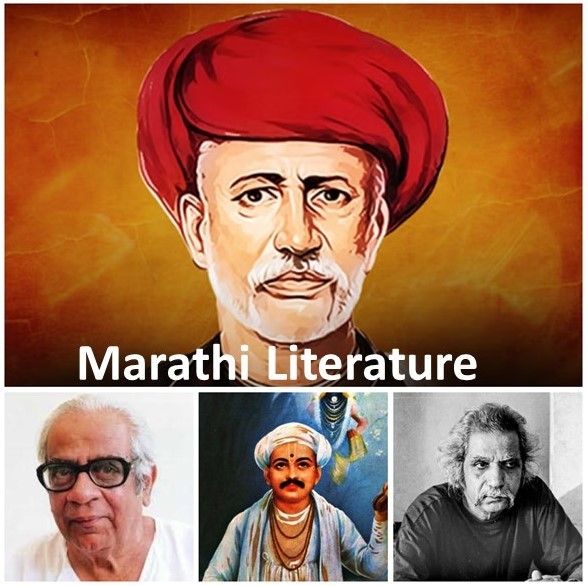
Marathi poetry in the late nineteenth century underwent a remarkable transformation. Freed from the dominance of Sanskrit poetics and the rigid orthodoxy of pandit poets from earlier centuries, it began to embrace new forms, themes, and expressions. This period marked The Birth of Modern Marathi Poetry, influenced by Western literature, social reform movements, and a growing sense of individuality.
Keshavsut: Pioneer of Modern Marathi Poetry
Keshavsut (K.K. Damle, 1866–1905) is regarded as the father of modern Marathi poetry. Born into a modest family, he was deeply influenced by the reformist zeal of thinkers like Gopal Ganesh Agarkar. His early works reflected the imagery and style of Sanskrit poetry, but exposure to English literature especially the Romantic poets like Wordsworth reshaped his vision.
Keshavsut introduced a subjective element into Marathi poetry, focusing on personal emotions and individual perspectives rather than collective identity. He experimented with blending traditional shlokastructures with Western forms such as the ode and sonnet. His contemplative poems like Pushpaprat, Satareeche Bol, Nairutyekadil Waryas, and Ek Khede reveal a deep awareness of nature expressed in simple, lyrical language. At the same time, his reformist spirit shines through in poems like Tutariand Nava Shipai, which call for social change and equality.
Diverse Voices in Late Nineteenth-Century Poetry
While Keshavsut broke traditional molds, his contemporaries explored different directions:
- Narayan Waman Tilak (1862–1919): A deeply religious poet, Tilak rejected Hindu orthodoxy and wrote against social injustices. His poetry reflected his faith in God and humanity, blending spirituality with reformist ideals.
- Vinayak Janardan Karandikar (1872–1909): Represented a conservative, romantic reaction. His poetry celebrated Maratha and Rajput history, resonating with nationalist sentiments that were gaining strength during this period.
- Ram Ganesh Gadkari (Govindagraj, 1885–1919): Known for his versatile literary contributions, Gadkari’s poetry combined wit, satire, and romanticism, making him one of the most popular poets of his time.
- T.B. Thombre (Balakavi, 1890–1918): His short life produced poetry of intense lyricism and emotional depth, earning him a place among the most beloved poets of the era.
- Narayan M. Gupte (Bee, 1872–1947): Another prominent figure, Gupte’s poetry reflected intellectual refinement and philosophical undertones.
Themes and Characteristics
The late nineteenth century was a period of experimentation and transition. Key features of Marathi poetry during this time included:
- Individualism: A shift from collective religious identity to personal emotions and perspectives.
- Nature and Romanticism: Inspired by English Romantic poets, Marathi poets began to depict nature in simple, contemplative ways.
- Social Reform: Many poets used their works to challenge orthodoxy, caste hierarchies, and social injustices.
- Nationalism: Historical and patriotic themes gained prominence as the nationalist movement grew stronger.
Conclusion
Poetry in Late Nineteenth Century Maharashtra marked the dawn of modern Marathi literature. Keshavsut’s pioneering efforts opened new horizons, blending traditional forms with Western influences and introducing a deeply personal voice. His contemporaries, though diverse in their approaches, collectively enriched Marathi poetry with themes of spirituality, reform, romanticism, and nationalism. This period laid the foundation for the vibrant literary movements of the twentieth century, ensuring that Marathi poetry remained a powerful medium of cultural and social expression.