
Introduction
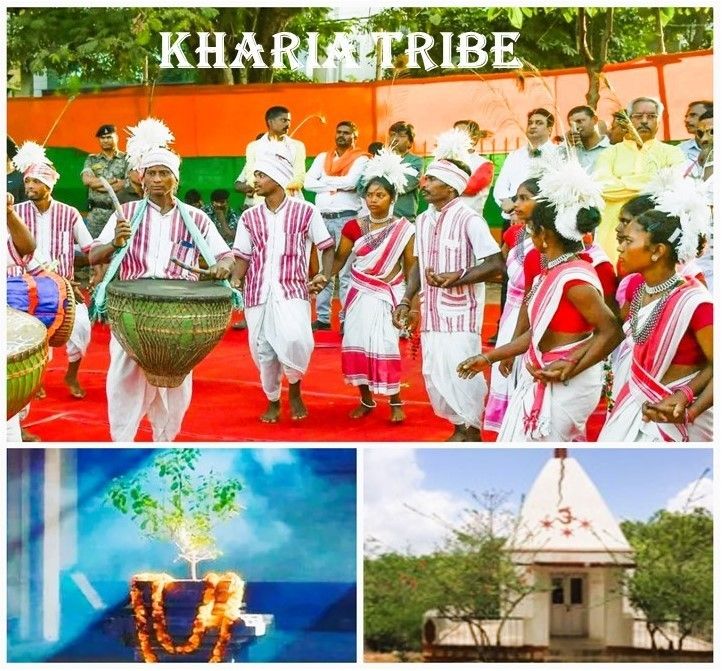
The Kharia Tribe, one of the prominent tribal groups of Jharkhand, has a rich cultural and religious heritage. Over centuries, the Kharias have undergone significant transformations under the influence of Hinduism and Christianity. This cultural assimilation gave rise to a number of Pilgrimage Centres that today stand as symbols of their evolving faith, traditions, and social identity. These centres are not only places of worship but also hubs of festivals, rituals, and sacred performances that bind the community together.
Historical Background
The Kharias belong to the Proto-Austroloid familyand are mainly concentrated in Jharkhand, particularly in Ranchi, Lohardaga, Singhbhum, and Hazaribagh districts. Traditionally animists, they revered natural elements and ancestral spirits. However, with the spread of Hinduism and later Christianity, their religious practices diversified. This blending of traditions led to the establishment of pilgrimage centres that reflect both indigenous beliefs and adopted rituals.
Major Pilgrimage Centres
- Ramrekha Dham One of the most revered centres for the Kharia Tribe, Ramrekha Dham is associated with the epic Ramayana. It is believed that Lord Rama, Sita, and Lakshman spent time here during their exile. The site hosts annual fairs and religious gatherings, attracting Kharias and other communities alike.
- Temples at Biru, Garja, and Palkot These temples are important Hindu centres embraced by the Kharias. They participate in rituals and festivals here, showcasing their affinity towards Hindu traditions. The temples serve as spaces where tribal customs merge with mainstream Hindu practices.
- Bhaur Pahar or Tulsi Chaura This sacred site is linked with the worship of Tulsi, a plant revered in Hindu households. The Kharias adopted this practice, integrating it into their own spiritual framework. Bhaur Pahar thus symbolizes the syncretism of tribal and Hindu beliefs.
- Mahabiri Jhanda Sites during Ramnavami During the festival of Ramnavami, the Kharias plant the Mahabiri Jhanda (flag) at designated sacred places. This ritual highlights their devotion to Lord Hanuman and their participation in broader Hindu festivities.
- Chauka of the Kabir Panthis The Kharias also embraced Kabir Panthi traditions. The Chauka, a ritual space of the Kabir Panthis, became part of their religious landscape, reflecting their openness to diverse spiritual influences.
- Devi Guri A centre dedicated to the worship of the Goddess, Devi Guri is significant for Kharia women and men alike. It represents the continuity of indigenous goddess worship, now blended with Hindu forms of devotion.
- Sacred Places of the Divine Light Mission With the spread of Christianity and modern spiritual movements, Kharias also connected with centres of the Divine Light Mission. These places emphasize meditation and divine illumination, marking yet another layer of transformation in their religious life.
Cultural Significance
These Pilgrimage Centres are more than religious landmarks; they are cultural anchors. They host festivals, fairs, and rituals that reinforce community bonds. They also serve as spaces where oral traditions, songs, and dances are performed, keeping Kharia heritage alive. Importantly, they illustrate how tribal societies adapt and evolve while retaining their identity.
Conclusion
The pilgrimage centres of the Kharia Tribe in Jharkhand represent a fascinating blend of tribal traditions, Hindu rituals, and Christian influences. From Ramrekha Dham to Devi Guri, each site tells a story of cultural transformation and resilience. These sacred spaces not only preserve the spiritual life of the Kharias but also highlight the dynamic interplay between tribal society and mainstream religions. In celebrating these centres, one witnesses the enduring spirit of the Kharia people and their contribution to the diverse cultural tapestry of Jharkhand.