
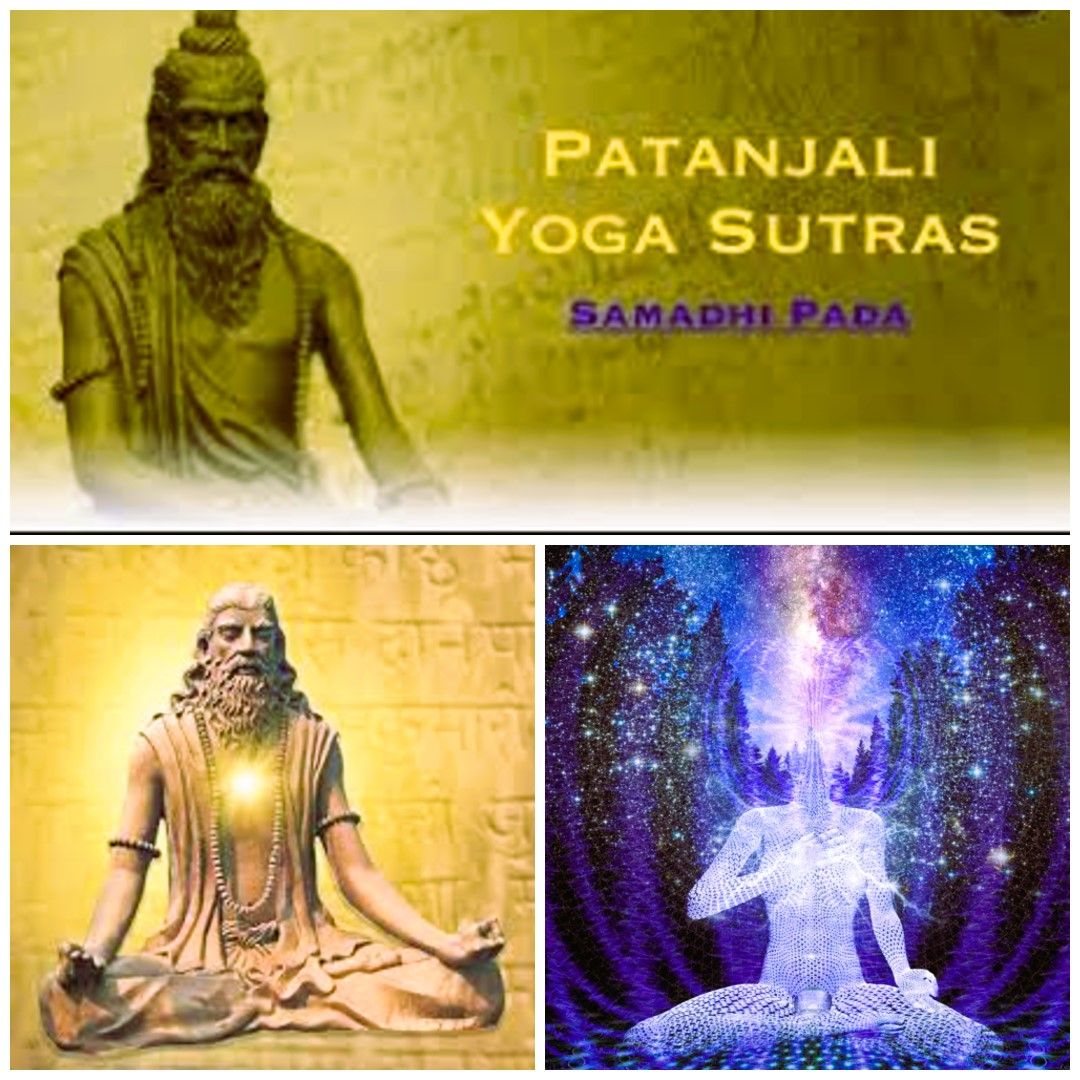
Introduction
The path of yoga, as described in Maharshi Patanjali’s Yoga Sutra, is a journey toward self-realization and liberation. However, this journey is not without challenges. In the Samadhi Pada, Patanjali identifies nine primary obstacles that hinder progress in yoga practice. These obstacles, known as antarayas, disturb the mind and prevent the yogi from attaining higher states of consciousness. Additionally, Patanjali mentions four accompanying consequences that intensify these difficulties, making the total number of obstacles thirteen. Understanding these hindrances and the methods to overcome them is essential for every seeker of yoga.
The Nine Primary Obstacles
1. Vyadhi (Disease): Physical illness weakens the body and distracts the mind, making it difficult to practice yoga consistently.
2. Styāna (Mental Laziness): Despite having the desire to practice, the yogi fails to act due to inertia or lack of willpower.
3. Saṃaaya (Doubt): Uncertainty about whether liberation can truly be attained through yoga creates hesitation and weakens determination.
4. Pramada (Carelessness): A lack of mindfulness or unwillingness of the mind to engage in practice leads to negligence.
5. Alasya (Physical Laziness): Heaviness in the body or lethargy prevents regular practice and discipline.
6. Avirati (Attachment to Pleasures):Excessive indulgence in worldly pleasures and desires obstructs dispassion and detachment.
7. Bhrantidarsana (False Understanding): Wrong knowledge or misconceptions mislead the practitioner, diverting them from the true path.
8. Alabdhabhumikatva (Failure to Progress):Inability to advance or continue on the yogic path despite effort creates frustration.
9. Anavasthitatva (Instability After Progress): Even after attaining samadhi, the yogi may fail to maintain stability, slipping back into distractions.
Additional Consequences of Obstacles
Alongside these nine, Patanjali highlights four negative consequences that arise from obstacles, further disturbing the practitioner’s progress:
- Duhkha (Sorrow): Emotional suffering caused by obstacles.
- Daurmanasya (Despondency): A state of hopelessness or depression when progress seems unattainable.
- Angamejayatva (Trembling of Limbs): Physical restlessness or instability in the body.
- Shvāsa-prasvasa (Irregular Breathing): Disturbed breathing patterns reflecting inner turmoil.
Together, these thirteen hindrances form the major challenges on the yogic path.
Removal of Obstacles
Patanjali prescribes ekatattva abhyasa, or one-pointed practice, as the key to overcoming obstacles. This means dedicating oneself to a single principle or method with unwavering focus. Several approaches can help remove these distractions:
- By one-pointedness: Concentrating on a single object or principle to stabilize the mind.
- By cultivating opposite virtues: Replacing negative tendencies with positive ones, such as patience for anger or compassion for hatred.
- By controlling prana: Regulating breath and vital energy through pranayama to calm the mind.
- By observing sense experience: Developing awareness of sensory inputs to prevent distraction.
- By inner illumination: Cultivating self-awareness and spiritual insight to dispel ignorance.
- By detachment from matter: Practicing dispassion towards worldly possessions and pleasures.
- By knowledge of dream and sleep: Understanding subtle states of consciousness to refine awareness.
- By meditation as desired: Engaging in meditation practices suited to one’s temperament and capacity.
Conclusion
The Obstacles in the Yoga Path, as outlined in the Samadhi Pada, remind us that spiritual progress requires perseverance, discipline, and awareness. Disease, doubt, laziness, attachment, and false understanding are natural challenges, but they can be overcome through focused practice and devotion. By cultivating one-pointedness, opposite virtues, and detachment, the yogi gradually removes these hindrances and advances toward samadhi.