
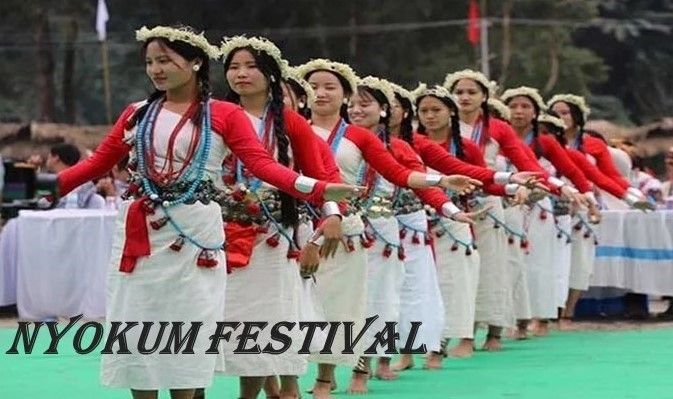
The Nyokum Festival is one of the most vibrant and spiritually significan celebrations of Arunachal Pradesh, observed by the Nyishi tribe. Rooted in agrarian traditions and a deep reverence for nature, this festival embodies the tribe’s philosophy of living in harmony with the earth, deities, and spirits.
Meaning and Essence of Nyokum
The word Nyokum is derived from two Nyishi terms: Nyok meaning “land or earth” and Kum meaning “collectiveness or togetherness.” Thus, Nyokum signifies a collective invocation of all gods and goddesses of the universe, with The Nyokum Goddess as the Principal Deity. Celebrated at a designated venue, the festival symbolizes unity, spirituality, and communal harmony.
Importance of Nyokum
Nyokum is closely linked to cultivation. The goddess is worshipped to ensure abundant harvests and protection from calamities. The prayers seek blessings for:
- Prosperity and regeneration of humankind.
- Freedom from unnatural deaths caused by accidents, wars, or epidemics.
- Balance between man and nature, ensuring harmony with divine forces.
This agricultural and spiritual connection makes Nyokum not just a festival but a way of life for the Nyishi people.
Ui or Oram Nyoko
The Nyishi tribe believes in Ui or Oram Nyoko, the realm of life after death. They hold that numerous deities and spirits inhabit the earth — guardians of rivers, forests, mountains, animals, crops, and households.
- Prosperity and happiness are believed to come when gods and nature are pleased.
- Hardships like famine, flood, drought, epidemic, or warfare occur due to divine displeasure.
Thus, Nyokum Yullow rituals are performed to appease benevolent spirits and ward off malevolent ones, ensuring peace and prosperity.
Rituals in Nyokum Festival
The rituals are unique and deeply symbolic:
- Yugang prayer structure made of bamboo.
- Sacrificial animals such as mithuns, cows, goats, and chickens are offered.
- The nyubh, or traditional priest, decides the offerings.
- Worship is conducted without idols or permanent structures, emphasizing purity and simplicity.
Costumes of Nyokum
Traditional attire adds color and grandeur to the festival:
- Men wear cotton eri robes draped from the shoulder, bead necklaces with semi-precious stones, and bamboo caps adorned with animal furs or hornbill beaks.
- Women wear bead necklaces, earrings, and bamboo headdresses, showcasing elegance and craftsmanship.
These costumes reflect the tribe’s Cultural Identity and Artistic Heritage.
Folk Culture in Nyokum
The festival is incomplete without its rich folk culture:
- Singing and dancing precede the rituals, performed in groups to foster unity.
- Guests are welcomed with rice paste powder and opo, a traditional drink.
- The joyous atmosphere highlights the community’s spirit of togetherness.
Conclusion
The Nyokum Festival is more than a ritual it is a profound expression of the Nyishi worldview. It emphasizes harmony between humans, nature, and divine forces, while celebrating agricultural prosperity and cultural identity. Through its rituals, costumes, and folk traditions, Nyokum continues to preserve the spiritual and cultural essence of Arunachal Pradesh.