
Introduction
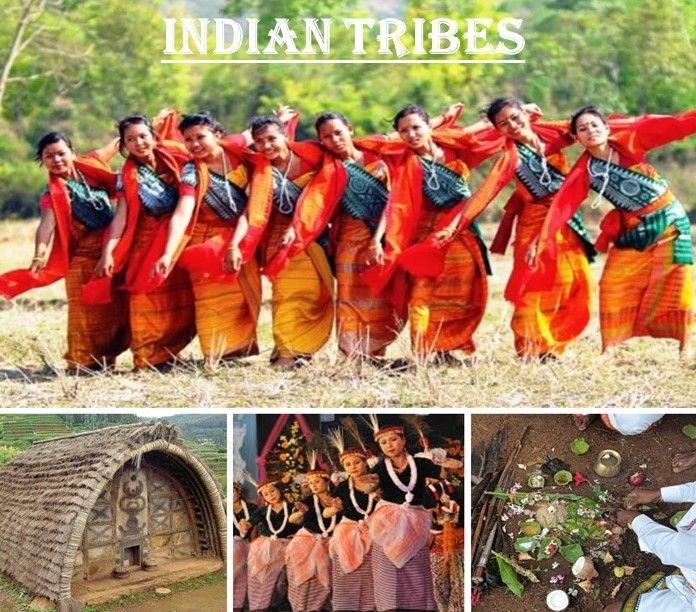
North India, with its vast expanse covering Himachal Pradesh, Punjab, Haryana, Jammu and Kashmir, Uttar Pradesh, and Uttarakhand, is home to numerous tribal communities. These tribes are considered among the true habitants of India, having preserved their distinct cultural patterns for centuries. Their traditions, lifestyles, and beliefs enrich the nation’s cultural fabric while reflecting the beauty and resilience of life in the Himalayan and northern plains. Despite modernization, North Indian tribes continue to maintain their unique identities, offering a glimpse into India’s ancient heritage.
Tribes of Himachal Pradesh
The Tribes of Himachal Pradesh are known for their good conduct, religious devotion, and cheerful way of life. Revelry and merry-making are integral to their culture. Their primary occupations include cattle rearing and wool spinning, which sustain their livelihoods in the steep terrains of the Himalayas. Communities such as the Gaddis and Kinnauras are prominent here, blending spirituality with everyday life.
Tribes of Jammu and Kashmir
Jammu and Kashmir host a variety of tribes residing in the mountainous regions. These tribes are remarkable for their ornate ornamentation and distinctive dress styles. Descended from the Indo-Aryan group, they practice both Hinduism and Islam, reflecting the syncretic traditions of the region. Tribes such as the Gujjars and Bakarwalsare semi-nomadic, often moving with their herds across the valleys.
Tribes of Punjab
Punjab, known for its vibrant culture, is also home to tribal groups that contribute to the diversity of North India. These tribes are identified by their striking dresses, colorful attire, and melodious songs. Their traditions emphasize community bonding and celebration, making them an integral part of Punjab’s cultural landscape.
Tribes of Uttar Pradesh
Uttar Pradesh has a colossal tribal population, with communities spread across different regions. These tribes form strong sections of society, maintaining their distinct ethnic identities despite the passage of time. Their customs, rituals, and practices reflect resilience and adaptability, ensuring their traditions remain alive in the modern era. Tribes such as the Tharus and Bhars are notable examples.
Tribes of Uttarakhand
The tribal population of Uttarakhand is concentrated in remote forested areas and mountainous districts. Many of these tribes are of Mongoloid originand follow a nomadic or semi-nomadic lifestyle. Communities such as the Bhotias and Jaunsaris are known for their unique customs, including traditional dances, festivals, and agricultural practices suited to the Himalayan terrain.
Tribes of Haryana
Haryana’s tribal population largely consists of nomadic and semi-nomadic groups. Despite facing challenges in their social and economic conditions, these tribes continue to preserve their traditions. There are approximately 25 identified nomadic tribes in Haryana, with a total count exceeding 1.5 million people. Their customs and practices reflect adaptability and survival in changing environments.
Conclusion
The Tribes of North India, spread across the Himalayan ranges and fertile plains, embody resilience, tradition, and cultural richness. From the wool-spinning Gaddis of Himachal to the nomadic Gujjars of Jammu and Kashmir, and from the colorful tribes of Punjab to the forest-dwelling communities of Uttarakhand and Haryana, each group contributes uniquely to India’s heritage. Their customs, food, attire, and festivals highlight the diversity of the nation while preserving ancient traditions. As custodians of culture, North Indian tribes remind us of the importance of safeguarding indigenous identities in the face of modernization.