
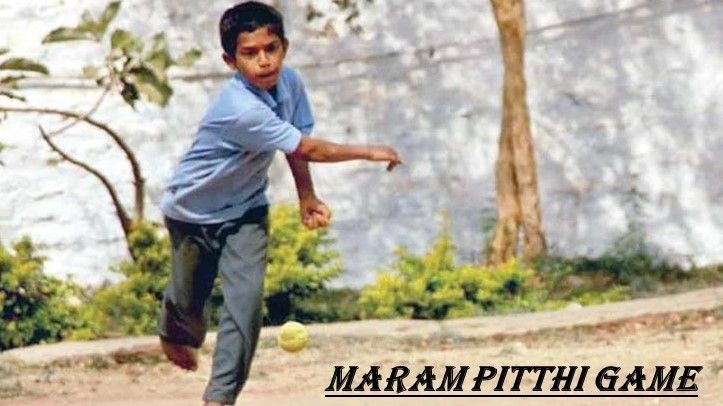
Games have always been integral to Indian culture, serving as more than mere entertainment. They embody community spirit, physical activity, and the joy of shared experiences. Among the many traditional pastimes, Maram Pitti also known as Picchi Banti in Telugu stands out as a lively and engaging game that continues to capture the spirit of childhood across generations. Often described as the Indian version of dodgeball, it remains a cherished activity in small towns, villages, and festive gatherings.
Etymology of Maram Pitti
The very name of the game reflects its essence. In Tamil, Maram means “to hit” and Pittimeans “to strike.” In Telugu, Picchitranslates to “mad” and Bantimeans “ball.” Together, these terms capture the playful chaos of chasing, dodging, and striking with a ball. The linguistic roots highlight how deeply the game is woven into South Indian culture and language, making it not just A Pastime but a Cultural Marker.
Method of Playing
Maram Pitti is simple, requiring only a ball and a small space such as a courtyard, playground, or street corner. Typically, 5–6 players participate, though the game can be adapted for solo or team play.
- Starting the game: A chosen player throws the ball into the air. It must bounce three times before being picked up, ensuring fairness.
- Gameplay: The player holding the ball attempts to hit another participant without moving from their spot. A successful strike eliminates the target.
- Winning: The game continues until only one player remains. In larger groups, two winners may be declared.
- Rules: Direct hits to the head are avoided, emphasizing safety while keeping the game competitive.
This straightforward format makes Maram Pitti accessible to all age groups, requiring minimal equipment and encouraging spontaneous play.
Cultural Significance
Maram Pitti is more than just a game it is a reflection of community life in South India. Played in narrow lanes, schoolyards, and village squares, it fosters teamwork, agility, and quick reflexes. Children gather in groups, spending hours immersed in playful rivalry, strengthening both social bonds and physical stamina.
Unlike modern digital games, Maram Pitti promotes outdoor activity and face-to-face interaction. It reminds us of the importance of Traditional Pastimes in Maintaining Health, joy, and community connection. In many ways, it is a living testament to how simple games can create lasting memories.
Modern Relevance
Urbanization and technology have reduced the popularity of traditional games, yet Maram Pitti continues to thrive in smaller towns and during festivals. Schools and cultural programs are increasingly reviving indigenous games, helping younger generations reconnect with their roots.
Maram Pitti represents the spirit of Indian childhood energetic, spontaneous, and full of laughter. Its adaptability ensures that even in today’s fast-paced world, it remains timeless, entertaining, and unifying.
Conclusion
Maram Pitti, or Picchi Banti, is not merely a dodgeball variant but a cultural treasure. With its simple rules, lively gameplay, and deep-rooted tradition, it remains a beloved pastime across generations. By preserving and promoting such traditional games, we celebrate India’s rich heritage while encouraging healthier, more connected lifestyles.