
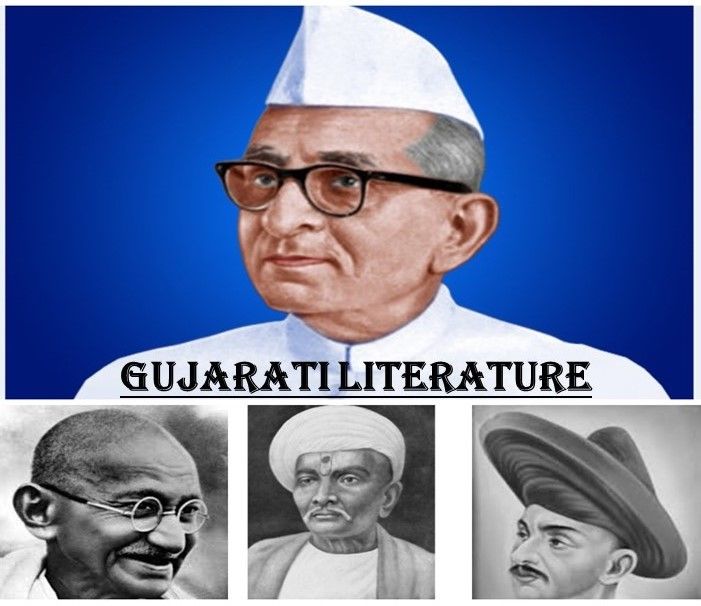
The nineteenth century was a watershed moment in the history of Gujarati literature, as British rule brought sweeping political, economic, social, and cultural changes to India, including Gujarat. These transformations reshaped the intellectual landscape and gave rise to modern Gujarati literature. The impact of colonial rule was immense, introducing new educational systems, institutions, and literary forms, while simultaneously sparking a reaffirmation of indigenous culture.
Introduction of Modern Education
One of the most significant contributions of British rule was the introduction of A Modern Education System. Unlike earlier forms of learning restricted to select groups, the new system was accessible to wider sections of society. This democratization of education gave a boost to vernacular languages, including Gujarati. Christian missionaries played a crucial role in spreading education, though their influence was largely confined to the deprived and marginalized sections of society.
With the spread of English education, the educated classes in Gujarat became acquainted with English literature and Western social and political thought. This exposure inspired them to experiment with new literary forms and themes, while also reaffirming their commitment to Hindu culture and traditions.
Establishment of Institutions
The socio-cultural regeneration of Gujarat during British rule was closely linked to the establishment of new schools and literary institutions. Notable among these were the Royal Asiatic Society in Mumbai, the Elphinstone School and Institute (1835), the Gujarat Vernacular Society (1844, later renamed Gujarat Vidya Sabha), the Buddhivardhak Sabha in Mumbai (1851), and the Manavdharma Sabha in Surat (1844). These institutions became centers of intellectual activity, encouraging literary production and social reform.
The founding of the University of Mumbai in 1857 further expanded opportunities for higher education. University graduates, exposed to English literature and culture, began experimenting with translations, adaptations, and original works in Gujarati. This marked the beginning of modern prose and poetry in the language.
Growth of Printing and Journalism
Another major impact of British rule was the introduction of printing presses and newspapers, which revolutionized literary activity. The Mumbai Samachar began as a weekly in 1822 and later became a daily. Other publications such as Amadavad Varatman (1849), Amadavad Samachar Weekly (1860), and Gujarat Mitra (1863) played a vital role in promoting Gujarati literature.
Periodicals like Buddhiprakash and Gujarat Shalapatra provided platforms for essays, debates, and serialized works, fostering a culture of literary engagement. The availability of printed books and the opening of libraries further stimulated popular interest in literature, making it accessible to a broader audience.
Literary Transformation
The influence of English education and literature encouraged Gujarati writers to explore new genres such as essays, novels, plays, and autobiographies. At the same time, there was a conscious effort to preserve and strengthen vernacular traditions. This dual process—embracing modernity while reaffirming cultural identity—defined the literary output of the period. Writers began to address contemporary social issues, advocate reforms, and experiment with narrative styles, laying the foundation for the flourishing of modern Gujarati literature in the twentieth century.
Conclusion
The Impact of British Rule on Gujarati Literature was profound and multifaceted. It introduced modern education, established institutions that nurtured intellectual growth, and revolutionized literary activity through printing and journalism. While English literature and Western thought inspired new forms and ideas, Gujarati writers also reaffirmed their cultural roots, ensuring that the vernacular language remained vibrant. Thus, British rule not only transformed Gujarati literature but also set the stage for its evolution into a modern, dynamic tradition that continues to thrive today.