
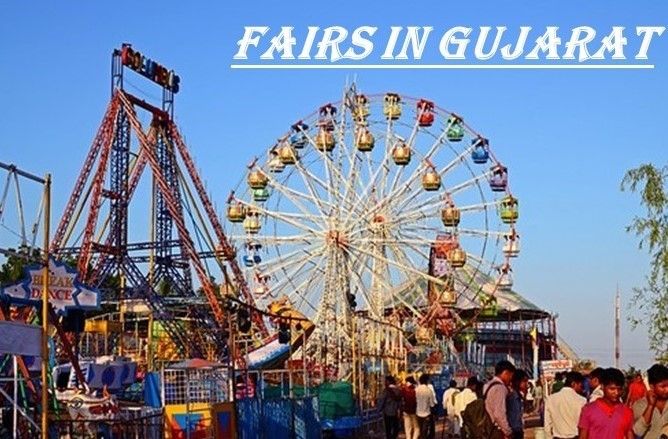
Gujarat, a state celebrated for its vibrant traditions and timeless heritage, is home to some of India’s most colourful and diverse fairs. These events are not merely festive gatherings; they are living expressions of devotion, folklore, art, and community life. At the same time, they play a crucial role in boosting tourism, drawing visitors from across India and abroad. Each fair reflects The Unique Cultural Fabric of Gujarat, making it one of the most dynamic states in the country.
Bhavnath Mahadev Mela
Held in Junagadh at the foothills of the Girnar Mountain Range, this fair coincides with Maha Shivaratri. For five days in February, the Bhavnath Mahadev Temple becomes a hub of spiritual fervour. Devotees, sadhus, and tourists gather to witness midnight rituals, processions of naga sadhus, and devotional music. The mela highlights Gujarat’s deep-rooted Shaivite traditions and offers a glimpse into its spiritual heritage.
Dangs Darbar Fair
This three-day fair in Dang district showcases the tribal culture of the region. Folk dances, Raasas, Garba, and dramas bring alive the customs of local tribes. Historically, it was a gathering where tribal chiefs met the rulers of the region. Today, it continues as a vibrant cultural festival that promotes tribal identity and artistry, making it a unique celebration of indigenous traditions.
Tarnetar Fair
One of Gujarat’s most famous fairs, Tarnetar is celebrated in Tarnetar village. Rooted in the legend of Draupadi’s swayamvar from the Mahabharata, the fair is a colourful spectacle of music, dance, and tradition. The highlight is the Tarnetar Chhatri—umbrellas embroidered by bachelors to attract attention. With over 100,000 visitors, tented accommodations, and organized tours from Ahmedabad and Rajkot, Tarnetar has become a major tourist attraction.
Vautha Mela
Known as Gujarat’s largest rural fair, Vautha Mela resembles the Pushkar Camel Fair of Rajasthan. Held in Vautha village, it is both a religious and economic event. Donkeys, numbering around 4,000, are the prime attraction, decorated in vibrant colours. Alongside, cattle and camels are traded, making it a significant fair for rural communities and a fascinating spectacle for visitors.
Dhrang Fair
Celebrated in Kutch district, this fair honours Saint Mekaran Dada, revered for his service to humanity and his teachings against untouchability and superstition. Pilgrims gather at his Ashram in Dhrang village, making the fair a spiritual and social congregation that reinforces values of equality and compassion.
Lili Parikrama Fair
Held at Mount Girnar in Junagadh, this fair is a pilgrimage of immense religious significance. Devotees believe that circumambulating the sacred mountain, home to 33 crore deities, brings divine blessings. Millions of pilgrims climb 4,000 steps during the Hindu month of Kartik, making it one of Gujarat’s most spiritually charged events.
Shamlaji Melo
Celebrated at Shamlaji, a prominent pilgrimage site in Aravalli district, this fair is especially important for tribal communities of Gujarat and Rajasthan. Held on Kartik Purnima (full moon day), it combines devotion with cultural festivities, attracting thousands of devotees and tourists.
Conclusion
The fairs of Gujarat are more than just gatherings; they are living museums of culture, society, and tradition. From Tribal Dances to Spiritual Pilgrimages, from animal trade to mythological celebrations, these fairs encapsulate the diversity of Gujarat. They not only strengthen community bonds but also play a pivotal role in promoting festivals and tourism, making Gujarat a must-visit destination for those seeking authentic cultural experiences.