
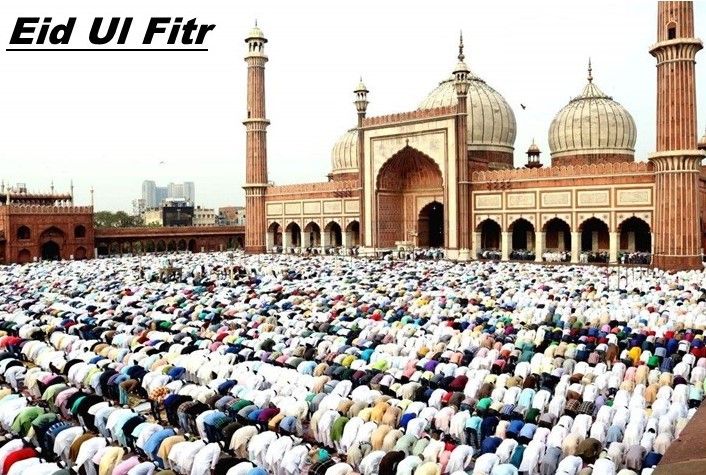
Eid ul-Fitr, one of the most revered festivals in Islam, marks the conclusion of Ramzan, the ninth month of the Islamic calendar. Celebrated on the first day of the new moon in Shawwal, it is a joyous occasion that embodies gratitude, unity, and spiritual rejuvenation. The term “Eid ul-Fitr” translates to “Festival of Breaking the Fast.” The Word Fitr Comes from Fatar, meaning “breaking,” though some interpretations connect it to fitrah(alms) or fitrat (nature), underscoring the values of charity and divine generosity.
Origins and Spiritual Meaning
The festival was instituted by Prophet Muhammad after Ramadan was declared a month of fasting and austerity. It is believed that during this sacred month, Allah revealed the Holy Quran to Prophet Muhammad on one of the odd nights of the last ten days, known as Laylat al-Qadr(Night of Power). Eid ul-Fitr thus represents not only the completion of fasting but also the celebration of divine guidance, compassion, and brotherhood.
Rituals and Practices
The day begins with the special prayer called Do Rakat Namaz, performed in mosques or large open grounds called Eidgahs. These prayers are offered between sunrise and noon and are attended by men, women, and children alike. Before joining the prayer, Muslims are required to give Sadaqah Fitr (charitable alms) to the needy. This ensures that even the less fortunate can share in the festivities. The Quran specifies the donation in terms of food grains: 3.5 lb of wheat or flour, or 7 lb of barley per person, or their monetary equivalent.
After prayers, the Kazi delivers a sermon, invoking blessings for the welfare of the community, forgiveness of sins, safety of travelers, recovery of the sick, timely rains, and protection from misfortune. This collective supplication reinforces the spirit of unity and compassion.
Festivities and Traditions
Eid ul-Fitr is celebrated with vibrant festivities across Muslim households. Homes are decorated, new clothes are worn, and traditional delicacies are prepared. Vermicelli cooked in sweetened milk, known as Sheer Khurma, is a signature dish of the festival. Families and friends visit each other, exchange greetings of “Eid Mubarak,” and share meals together. Children receive gifts or money, called Eidi, especially on the first two days.
The festival usually lasts three days, with each day dedicated to visiting different relatives and friends. In many regions, people attend Eid fairs, where toys, trinkets, and festive items are sold. Some also visit cemeteries to honor their ancestors, reflecting the balance between joy and remembrance.
Social and Cultural Significance
Eid ul-Fitr is more than a religious observance; it is a celebration of brotherhood and goodwill. By emphasizing charity, forgiveness, and community bonding, the festival strengthens social ties and promotes harmony. It is a time when Muslims are encouraged to let go of past grievances, embrace one another, and Reaffirm Their Faith in Allah Mercy.
Conclusion
Eid ul-Fitr stands as a profound reminder of compassion, gratitude, and unity. It celebrates not only the end of fasting but also the essence of Islam—submission to God, care for the needy, and love for humanity. Through prayers, charity, and joyous gatherings, Muslims worldwide reaffirm their spiritual connection and spread goodwill, making Eid ul-Fitr a universal celebration of peace and togetherness.