
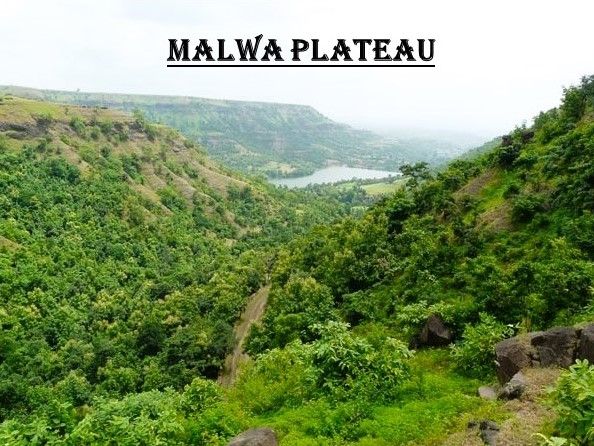
The Malwa Plateau, located in west-central India, has historically been a hub of political, cultural, and economic activity. While Ujjain served as the political, economic, and cultural capital in ancient times, Indore has emerged as the largest city and modern commercial center of the region. The plateau’s economy is deeply rooted in agriculture, trade, and textiles, with its fertile volcanic soil and strategic location shaping livelihoods for centuries.
Agriculture: The Backbone of Malwa’s Economy
Agriculture remains the primary occupation of The People of Malwa Plateau. The region’s black cotton soil (regur), formed from ancient lava flows, is highly fertile and supports a variety of crops.
- Cash Crops: Cotton and soybeans are the most important cash crops, contributing significantly to both local and national markets.
- Food Grains: Wheat, pulses, and maize are widely cultivated, ensuring food security for the region.
- Opium Production: Malwa has historically been one of the world’s leading producers of opium, with cultivation regulated under government supervision. This has given the region a unique place in global agricultural trade.
The agricultural prosperity of Malwa has not only sustained its population but also supported industries like textiles and food processing.
Industrial and Commercial Development
The fertile land and agricultural output have fueled industrial growth in Malwa.
- Textiles: Indore, the commercial capital, is renowned for its textile industry, producing cotton fabrics and garments that are exported across India and abroad.
- Soybean Processing: With soybean as a major crop, oil extraction and processing industries have flourished.
- Trade and Commerce: Indore has developed into a bustling trade hub, with wholesale markets, modern industries, and educational institutions driving economic progress.
This industrial expansion has transformed Malwa into one of the most economically dynamic regions of Madhya Pradesh.
Linguistic and Cultural Diversity
The economy of Malwa is enriched by its diverse communities, each contributing to trade, industry, and cultural life.
- Marathi Community: A sizeable Marathi-speaking population reflects the historical influence of the Marathas.
- Marwaris and Jats: Known for their entrepreneurial spirit, these communities are active in trade and commerce.
- Sindhis and Rajputs: They add to the cultural and economic vibrancy of the region.
- Other Communities: Jains, Goan Catholics, Anglo-Indians, Punjabis, and Parsis (Zoroastrians) also inhabit Malwa, each speaking their mother tongue and contributing to the plateau’s linguistic richness.
This diversity has created a multilingual environment where Malvi, a local dialect, coexists with Marathi, Hindi, Sindhi, Punjabi, and other languages.
Historical and Modern Economic Centers
- Ujjain: In ancient times, Ujjain was the economic and cultural capital, thriving as a center of trade, religion, and learning.
- Indore: Today, Indore is the largest city and commercial hub, driving modern industries, education, and commerce.
Together, these cities highlight the continuity of Malwa’s economic significance from antiquity to the present day.
Conclusion
The Economy of the Malwa Plateau is a blend of tradition and modernity. Rooted in agriculture, especially cotton, soybean, and opium cultivation, it has expanded into textiles, trade, and industry. The region’s linguistic and cultural diversity further enriches its economic landscape, making Malwa a vibrant contributor to India’s growth. From Ujjain’s ancient prominence to Indore’s modern dynamism, Malwa continues to thrive as a vital economic center of central India.