
The Rashtriya Ramleela Mela is one of India’s most cherished cultural festivals, celebrated annually with grandeur across different regions of Madhya Pradesh, particularly in February. Rooted in the timeless epic Ramayana, this festival is not just a theatrical performance but a spiritual and cultural gathering that symbolizes the eternal triumph of good over evil. While Madhya Pradesh is a prominent hub, similar Ramleela festivals are conducted across India, each showcasing unique styles of performance and regional traditions.
Historical Background
The origins of the mela lie in the legendary tale of Lord Rama, son of King Dasaratha of Ayodhya. Dasaratha had three wives Kaushalya, Kaikeyee, and Sumitra—who were blessed with sons Rama, Bharata, Lakshmana, and Shatrughna. Rama’s life took a dramatic turn when Kaikeyee demanded his exile for 14 years, paving the way for Bharata’s rule.
During exile, Sita was abducted by The Demon King Ravana, leading to a fierce battle where Rama, aided by Hanuman and his army, defeated Ravana. This victory is celebrated as a symbol of righteousness, purity, and the destruction of evil forces. The Rashtriya Ramleela Mela commemorates this triumph, making it a deeply spiritual and cultural event for the people of Madhya Pradesh.
Celebrations and Festivities
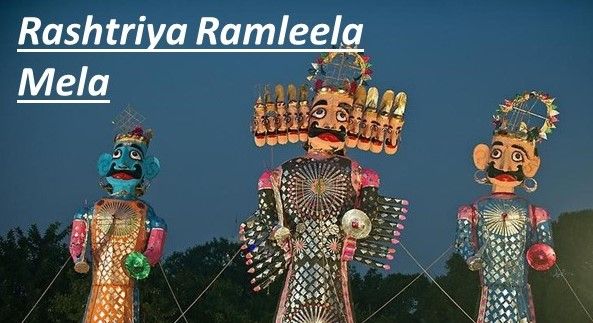
The festival is marked by dramatic enactments of episodes from the Ramayana, culminating in the burning of Ravana’s effigy. This act represents the destruction of evil and the triumph of virtue.
- Ravana effigy burning: Gigantic effigies of Ravana, Meghnath, and Kumbhkaran are set ablaze amidst dazzling fireworks.
- Cultural performances: Local artists perform Ramleela in traditional styles, blending music, dance, and drama.
- Community gathering: Families and communities come together, reinforcing social bonds and shared cultural identity.
Although the mela is often associated with February in Madhya Pradesh, similar Ramleela festivals across India are celebrated during September and October, aligning with Dussehra.
Connectivity and Travel
The mela attracts visitors from across India, and Madhya Pradesh offers excellent connectivity:
- Gwalior Airport: Located just 8 km from the city center, it connects to major cities like Delhi, Bhopal, Indore, Jaipur, and Mumbai. International travelers usually arrive via Delhi Airport, 319 km away.
- Bus services: State-owned and private buses, including A/C tourist buses, operate at affordable rates from Agra, Indore, Jaipur, and Delhi.
- Railway network: Gwalior Railway Station is a major hub, linking The City to Various Parts of India with convenient train services.
Cultural Significance
The Rashtriya Ramleela Mela is more than just a fair it is a cultural phenomenon that reinforces the values of truth, devotion, and righteousness. It serves as a reminder of India’s rich heritage and the timeless relevance of the Ramayana. By celebrating the victory of Lord Rama, communities symbolically cleanse themselves of negativity and embrace purity.
This festival is not only a spectacle of drama and devotion but also a living tradition that continues to inspire generations. It bridges the past and present, reminding people of the eternal message of the Ramayana: good will always prevail over evil.