
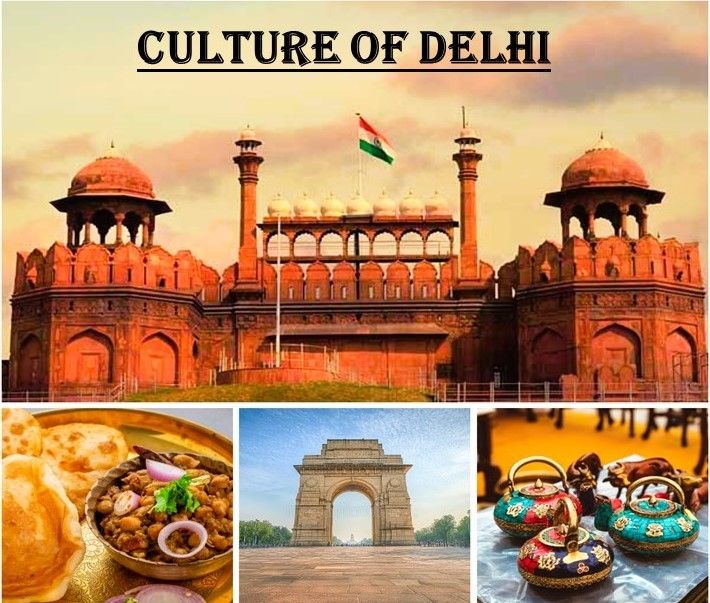
Delhi, the capital city of India and one of the largest urban centers in the world, is a vibrant mosaic of history, culture, and society. Known as The Heart of the Nation, Delhi’s cultural identity is a unique amalgamation of the old and the new. While Old Delhi preserves the grandeur of the past with its forts, palaces, and bustling bazaars, New Delhi stands as a symbol of modern architecture, wide boulevards, and governmental institutions. Together, they create a cultural landscape that is unmatched in India.
Historical Heritage
The cultural essence of Delhi is deeply rooted in its rich history. Old Delhi, once the seat of Mughal power, is home to magnificent monuments such as the Red Fort, Jama Masjid, and Humayun’s Tomb. These structures are not only architectural marvels but also living testimonies of Delhi’s glorious past. Museums and heritage sites scattered across the city narrate stories of dynasties, battles, and traditions that shaped the capital. Walking through Chandni Chowk or Mehrauli, one can feel the pulse of centuries-old traditions still thriving amidst modern chaos.
Modern Identity
In contrast, New Delhi reflects the vision of a modern capital designed by Sir Edwin Lutyens and Herbert Baker in the early 20th century. The wide avenues, Rashtrapati Bhavan, India Gate, and Parliament House symbolize the city’s contemporary identity. This juxtaposition of Mughal-era charm with colonial and modern architecture makes Delhi a trendsetter among Indian metros. Unlike Mumbai’s commercial dominance or Kolkata’s literary heritage, Delhi’s culture thrives on its ability to blend tradition with innovation seamlessly.
Artistic Vibrancy
In recent decades, Delhi has emerged as a hub of innovative arts. The city boasts more than twenty-five art galleries, particularly concentrated around Bhagwan Das Road and Mandi House. These spaces host exhibitions, film screenings, and cultural conferences, making Delhi a dynamic center for creative expression. The National School of Drama and the Lalit Kala Akademi further enrich the city’s artistic landscape, nurturing talent and promoting appreciation for diverse art forms.
Festivals and Celebrations
Delhi’s culture blossoms most vividly during festivals. From Diwali and Holi to Eid and Christmas, the city celebrates with unmatched enthusiasm. Each festival brings together people from different communities, reflecting Delhi’s cosmopolitan spirit. The annual Qutub Festival, showcasing classical music and dance against the backdrop of the Qutub Minar, and the Surajkund Crafts Mela, highlighting traditional crafts, are prime examples of how Delhi integrates heritage with contemporary celebration.
Lifestyle and Society
The lifestyle of Delhiites mirrors the city’s cultural diversity. Street food in Old Delhi, ranging from parathas to kebabs, coexists with fine dining in New Delhi’s upscale restaurants. Traditional bazaars like Dilli Haat and modern malls like Select Citywalk cater to varied tastes, symbolizing the coexistence of old-world charm and modern consumerism. Delhi’s society is a melting pot of languages, cuisines, and customs, enriched by migrants from across India who bring their traditions into the city’s cultural fold.
Conclusion
Delhi Culture is not confined to monuments or festivals; it is a living, breathing entity that evolves with time. Its ability to harmonize heritage with modernity makes it distinct from other Indian metros. Whether through its historical landmarks, artistic endeavors, or vibrant lifestyle, Delhi continues to set cultural trends for the nation. Truly, the capital city embodies the spirit of India diverse, dynamic, and deeply rooted in tradition while embracing the future.