
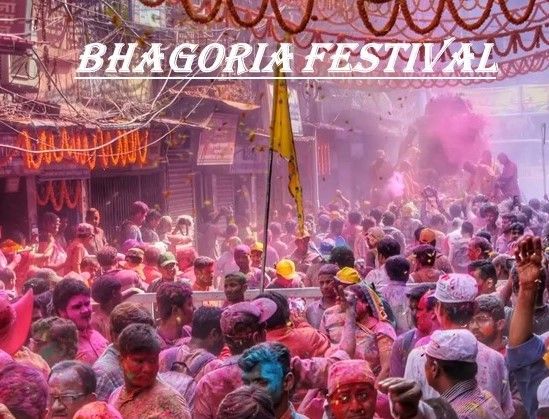
India’s cultural landscape is adorned with countless festivals, each reflecting the diversity and richness of its traditions. Among these, the Bhagoria Festival stands out as one of the most vibrant and distinctive celebrations. Rooted in the tribal communities of Chhattisgarh and the Bhil tribes of Jhabua district in Madhya Pradesh, this annual event is held in March, just a week before Holi. It is a lively blend of youthful romance, spiritual devotion, and communal joy, making it a unique cultural institution in India.
Origins and Meaning
The word Bhagoria literally translates to “elope,” and this meaning lies at the heart of the festival. Traditionally, it is A Time when Young men and women openly express affection, often leading to elopement and eventual marriage. While unconventional by mainstream standards, this practice is deeply respected within Tribal culture as A Legitimate way of Choosing Life Partners. The festival thus symbolizes freedom of choice, youthful energy, and the acceptance of love as a natural part of life.
Rituals and Customs
The customs of Bhagoria are colorful and symbolic, reflecting both tradition and emotion:
- Gulal tradition: Much like Holi, colored powder plays a central role. A young man applies gulal on the forehead of the girl he loves. If she reciprocates, it signifies mutual acceptance.
- Betel leaf proposal: Offering a betel leaf is a symbolic gesture of love. Acceptance by the girl confirms their bond.
- Marriage custom: Once lovers elope during Bhagoria, marriage becomes compulsory. Elders ensure the union is solemnized, reinforcing the festival’s role as a socially sanctioned space for love and marriage.
These rituals highlight the festival’s unique role in tribal society, where youthful romance is celebrated openly and integrated into community traditions.
Worship and Community Spirit
Beyond romance, Bhagoria carries A Strong Spiritual Dimension. The deity Bhagordev is worshipped with prayers and offerings. After the maha puja, sweets are distributed as prasad, reinforcing unity and shared faith among the tribes.
Music and dance are inseparable from the celebrations. Traditional instruments such as thalis, drums, shehnai, and bansurifill the air with rhythmic beats and folk tunes. Spontaneous dancing erupts across villages, symbolizing collective happiness and the joy of togetherness.
Social Significance
The Bhagoria Festival is more than a cultural spectacle; it is a social institution. It provides a platform for young people to choose their partners while involving elders to ensure traditions are respected. This balance between personal freedom and community values strengthens tribal bonds and preserves cultural identity.
The festival also attracts visitors from nearby towns and villages, transforming it into a regional event that showcases the rich heritage of Chhattisgarh and Madhya Pradesh. The vibrant colors, lively music, and unique customs leave a lasting impression on anyone who experiences it.
Conclusion
The Bhagoria Festival is a testament to the diversity of Indian traditions. By intertwining love, faith, and festivity, it offers a rare glimpse into the tribal way of life. Celebrating youthful romance alongside spiritual devotion, it highlights the harmony between individual choice and community values. Ultimately, Bhagoria is not just about elopement or rituals—it is about joy, togetherness, and the celebration of life itself.