
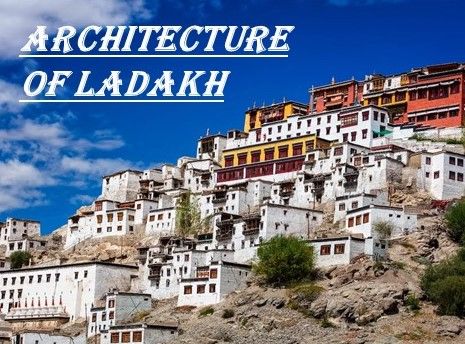
Nestled in the northernmost reaches of India, Ladakh is a land where stark landscapes intertwine with profound cultural traditions. Its architectural heritage is a remarkable blend of Buddhism, artistry, and adaptation to nature. From monasteries perched on rugged cliffs to palaces and cave temples, Ladakh’s built environment reflects resilience, spirituality, and innovation.
Influence of Terrain and Religion
The architecture of Ladakh is shaped by two dominant forces: The Buddhist faith and the harsh physical environment. With scarce rainfall, buildings are designed with flat roofs, a practical solution for the dry climate. Leh, the capital town, sprawls across a slope, with houses resembling step-terrace apartments. This design ensures stability in mountainous terrain while mirroring the communal lifestyle of its people.
Monasteries of Ladakh
The monasteries, or Gompas, are among the most striking architectural specimens, Serving as Centers of Worship, learning, and art.
- Lamayuru Monastery: Built in the 11th century, this multi-storied structure stands dramatically on a steep slope, with wooden frameworks and earthen walls.
- Themisgang Monastery: Constructed in the 16th century, it houses three separate buildings, with the Red building being particularly awe-inspiring.
- Rizong Monastery: Dating to the 19th century, it is noted for its well-planned architectural layout.
- Alchi Monastery: Unique for being located in the plains rather than the hills, it exemplifies Buddhist temple architecture.
- Sumtsek Temple: Built in the 11th century, it showcases Buddhist wood architecture with Grecian engravings and Ionic-style capitals. Its skylight design naturally illuminates interiors.
Palaces of Ladakh
Ladakh’s palaces reflect the intertwining of governance and religion.
- Leh Palace: A nine-storied structure built in the 17th century by King Sengge Namgyal, it resembles the Potala Palace in Lhasa. The ruins of Gompas and prayer rooms inside highlight the coexistence of spiritual and political life.
- Stok Royal Palace: Constructed by King Jepal Namgyal along the Indus River, this four-storied palace has seventy-seven rooms. The royal family still resides here, and part of the palace functions as a museum showcasing Ladakhi heritage.
Cave Temples of Ladakh
Beyond monasteries and palaces, Ladakh also houses Remarkable Cave Temples. The Saspol Cave Temple, located 65 kilometres from Leh, is devoid of pillars and beams, resembling a cavern. Inside, exquisite murals depict Mahayana Buddhist traditions, offering a glimpse into the spiritual artistry of the region.
Conclusion
The architecture of Ladakh is more than just stone and wood; it is a living testimony to the region’s resilience, spirituality, and artistry. From towering monasteries to royal palaces and hidden cave temples, each structure narrates a story of adaptation to nature and devotion to faith. Together, they form a cultural landscape that continues to inspire awe and reverence.