
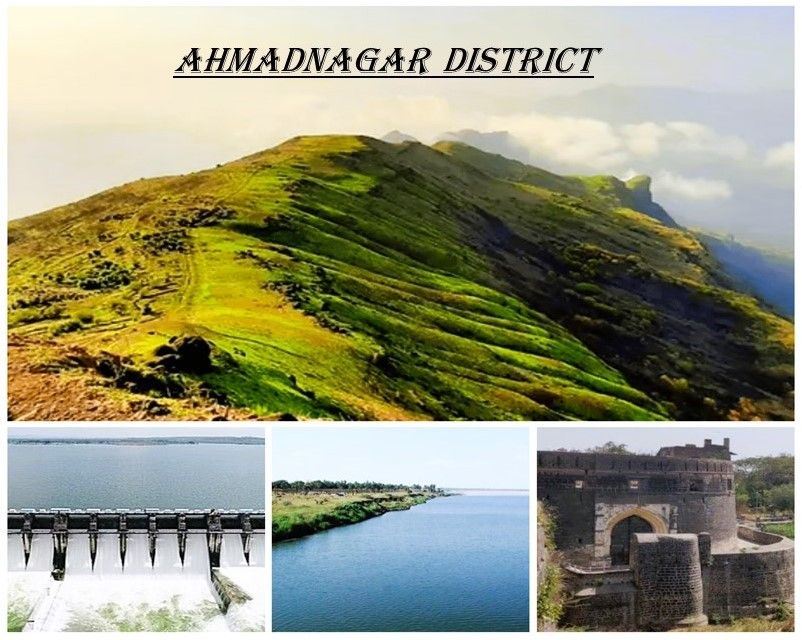
Spanning a vast 17,048 square kilometers, Ahmadnagar District holds the distinction of being the largest in Maharashtra, accounting for approximately 5.66% of the state’s total land area. Named after Ahmad Nizam Shah I, who founded the city in the late 15th century, the district is a dynamic blend of historical legacy, agricultural prowess, and transformative rural development. Its story is deeply entwined with India’s freedom movement, cooperative revolutions, and pioneering sustainability efforts.
Strategic Location and Connectivity
Situated in western Maharashtra, Ahmadnagar forms part of the Nashik Division and shares borders with Nashik to the north, Aurangabad to the east, Pune to the south, and Thane to the west. This central positioning has historically made it a vital crossroads for trade, migration, and cultural exchange. Its proximity to major urban centers has catalyzed growth in agriculture, industry, and tourism, establishing it as a key contributor to the state’s economic landscape.
Historical Significance: From Sultanate to Independence
Ahmadnagar’s historical narrative is rich and multifaceted. It served as the capital of the Ahmadnagar Sultanate between 1496 and 1636 CE, a formidable kingdom that played a crucial role in the politics of the Deccan region. Following the decline of the Sultanate, the area came under Maratha rule, thriving under the Peshwas with notable advancements in administration, commerce, and agrarian reforms.
In 1817, the British annexed Ahmadnagar into the Bombay Presidency. The district soon became a hotbed of nationalist activity. The iconic Ahmadnagar Fort, built in the 16th century, was repurposed by the British as a prison. It was here that Pandit Jawaharlal Nehru penned his seminal work, The Discovery of India, transforming the fort into a symbol of intellectual defiance and patriotic fervor.
Diverse Geography and Natural Beauty
Ahmadnagar’s terrain is as varied as its history, comprising three distinct geographical zones:
- Western Hilly Belt: Dominated by the Sahyadri ranges, this region boasts verdant forests, rugged hills, and scenic destinations like Bhandardara and Harishchandragad. The ancient Amruteshwar Temple and tranquil Arthur Lake draw both trekkers and spiritual seekers.
- Central Plateau: Characterized by basaltic formations and fertile black soil, this zone is the agricultural nucleus of the district. Crops such as sugarcane, cotton, and pulses flourish here, supported by a robust network of cooperative sugar mills.
- Northern and Southern Plains: Nourished by the Godavari and Bhima rivers, these plains are vital for irrigation and potable water. They also host villages that have become national exemplars of water conservation and sustainable farming.
Agricultural Innovation and Economic Strength
Despite challenges like erratic rainfall and periodic droughts, Ahmadnagar has emerged as a leader in agricultural innovation. The district’s economy is predominantly agrarian, with sugarcane cultivation forming its backbone. The cooperative movement, which gained momentum in the early 20th century, revolutionized the sugar industry and empowered rural communities.
A standout example is Pravara Nagar, founded by visionary social reformer Vithalrao Vikhe Patil. Home to Asia first cooperative sugar factory, the town evolved into a model of integrated rural development. The cooperative framework expanded to encompass healthcare, education, and infrastructure, setting a benchmark for holistic progress.
Model Villages: Beacons of Sustainability
Ahmadnagar is home to two of India’s most celebrated villages Ralegan-Siddhi and Hivare Bazar both of which exemplify sustainable development through grassroots initiatives:
- Ralegan-Siddhi: Under the stewardship of Anna Hazare, this once drought-stricken village underwent a dramatic transformation through watershed management, afforestation, and collective action. Today, it stands as a beacon of ecological balance and self-reliance.
- Hivare Bazar: Led by Popatrao Pawar, the village embraced rainwater harvesting, crop diversification, and transparent governance. With zero poverty, high literacy, and even reverse migration, Hivare Bazar showcases the power of community-driven development.
These villages have earned national and international recognition, inspiring similar efforts across India and beyond.
Cultural and Spiritual Heritage
Ahmadnagar is a cultural mosaic, offering a rich tapestry of historical and spiritual landmarks:
- Ahmadnagar Fort: A symbol of resistance and a key site in India’s independence movement.
- Meher Baba’s Samadhi: A spiritual center that draws devotees from around the world.
- Salabat Khan’s Tomb: An architectural marvel perched atop a hill, offering panoramic views and historical intrigue.
- Shani Shingnapur: A unique village where homes have no doors, reflecting deep faith in Lord Shani and communal trust.
These sites make Ahmadnagar a compelling destination for pilgrims, history enthusiasts, and adventure seekers alike.
Infrastructure and Development
Ahmadnagar is well-integrated into Maharashtra’s transport network, with major highways and railway lines facilitating commerce and tourism. The district has witnessed significant investments in education, healthcare, and agro-based industries, particularly sugar processing and dairy. Emerging industrial zones and academic institutions are paving the way for sustained economic growth and modernization.
Conclusion: A Legacy of Leadership and Progress
Ahmadnagar is more than just a district it is a living chronicle of India’s evolution. From the echoes of freedom fighters within its ancient fort to the cooperative spirit of its sugar mills and the sustainable ethos of its villages, Ahmadnagar embodies the fusion of tradition and innovation. As Maharashtra strides confidently into the future, Ahmadnagar stands tall as a model of inclusive, resilient, and community-driven development.